Introduction
The Acropolis of Athens, an iconic symbol of Ancient Greece, is a cultural treasure that has resisted the passage of time. This article will guide you through the history, beauty and grandeur of the Acropolis, giving you advice and ideas to capture its splendor through photography. From the fascinating history of the Acropolis to the best practices to photograph this archaeological site, here you will find everything you need to experience an unforgettable experience. Welcome to the photographic guide of the Acropolis of Athens.
History and Background
Taking a trip to the Acropolis is to immerse yourself in a journey to the glorious past of Greek civilization. With its impressive temples, such as the Parthenon, and its monumental proportions, this site is a living testimony of the artistic skill and architectural ingenuity of ancient Greece.
Origins
The Acropolis has its roots in the Bronze Age, but its splendor began in the 5th century BC, known as the Golden Age of Athens. This period saw the flourishing of democracy, art, philosophy and architecture in Athens, and the Acropolis was the cultural epicentre of this rebirth.
Evolution
The splendor of the Acropolis was followed by centuries of political changes, conflicts and architectural transformations. From being a religious centre in ancient Greece to becoming a fortress during the Middle Ages, the Acropolis has resisted earthquakes, wars and looting to maintain its splendor.
Important Developments
The nineteenth century marked a turning point in the history of the Acropolis when modern excavations and restorations gave life to this majestic archaeological site. The Esmer with which the Parthenon and other monuments were restored is a tribute to the determination to preserve the cultural legacy of mankind.
Deep analysis
Benefits of Photographing the Acropolis
Capturing the Acropolis through a camera lens is an unparalleled experience. Photography allows to immortalize the majesty of its doric columns, the delicacy of its friezes and the grandeur of its proportions. Each image is a tribute to the legacy of ancient Greece.
Photographic Challenges
Photographing the Acropolis also presents unique challenges. Lighting, angle and composition play a crucial role in capturing the essence of this site. The balance between natural light and imposing architecture is a challenge that photographers must overcome to achieve shocking images.
Current trends
Travel photography has experienced a boom in the era of social networks, and the Acropolis is a star destination in this sense. Photographers seek to highlight in their images not only the architectural grandeur, but also the emotional connection that this site evokes in the hearts of visitors.
Comprehensive review
Photographic applications
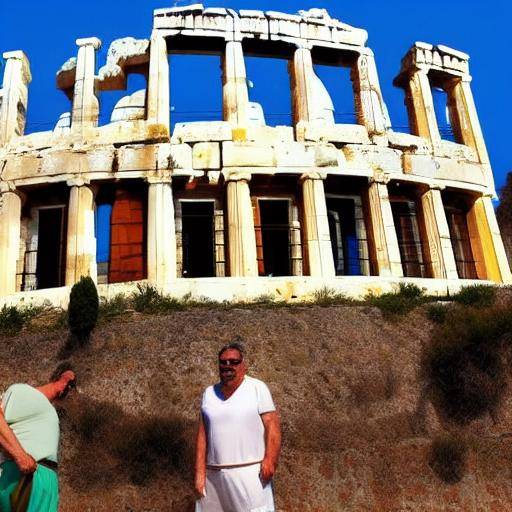
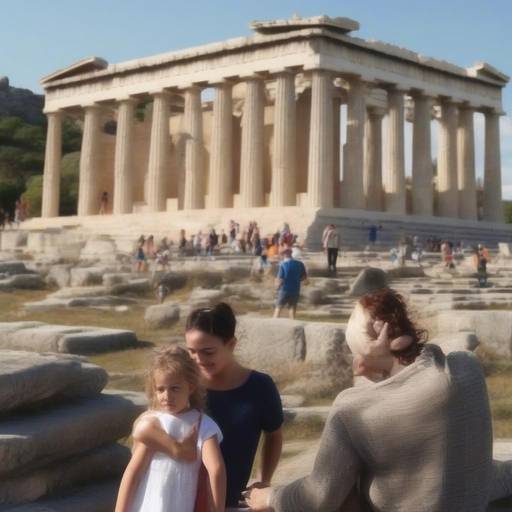
The photography of the Acropolis goes beyond capturing historical monuments; it implies narrating a story through the images. From portraits on the Parthenon steps to panoramic shots covering the entire Acropolis, each photo tells a unique story of past and present grandeur.
Councils of Experts
Expert photographers recommend using early morning or late afternoon light to achieve stunning shots. In addition, exploring different angles and creative perspectives can result in surprising images that convey the essence and unique character of the Acropolis.
Comparative analysis
The Acropolis, photography and Athens share an intrinsic connection. The Acropolis is the perfect stage for the practice of photography, and Athens offers an unmatched backdrop of cultural and landscape. The fusion of these elements creates a visual symphony that attracts photographers and travelers from around the world.
Practical Tips and Accessible Tips
Preparation
To capture the Acropolis in its maximum expression, it is essential to plan in advance. Identifying the moments of the day with the best light, studying the composition of the monuments and carrying the appropriate photographic equipment are essential steps to get stunning images.
Composition and Outlook
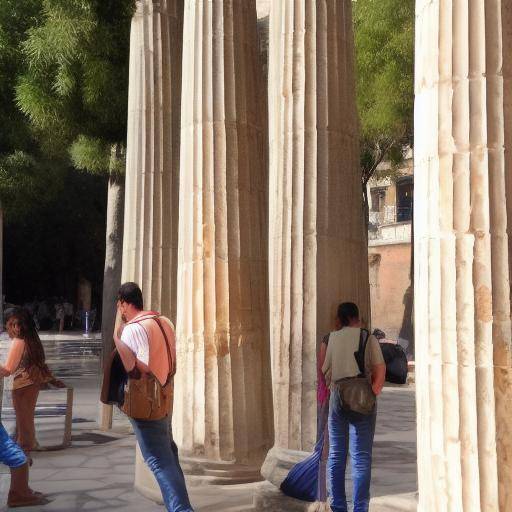
Explore different perspectives, from contrasting shots that highlight the greatness of the temples to details in the foreground that reveal the texture of the columns, provides variety and depth to the photographs. Creativity in composition is key to capturing the essence of the Acropolis.
Photographic edition
The postproduction process is crucial to enhance the magic of the Acropolis. Adjusting the exhibition, highlighting architectural details and correcting possible imperfections ensures that the images transmit the beauty and splendor of this unique site.
Perceptions of Industry and Expert Reviews
Cultural and Tourist Impact
Cultural tourism experts highlight the relevance of the Acropolis as a magnet for travelers interested in history and archaeology. Photography has helped to spread the cultural wealth of this site, providing an aesthetic and emotional dimension that transcends borders.
Reflections on the Future
The experts are optimistic about the role of photography in the preservation and dissemination of the Acropolis. In an interconnected world, images have the power to inspire future generations to appreciate and protect the historical and cultural heritage of mankind.
Case Studies and Practical Applications
Documentary Photography
The boom in documentary photography has led to projects that explore the Acropolis from innovative angles. Visual documentaries and photographic narratives have shown the Acropolis from emotional and historical perspectives, providing an integral vision of this monument.
Promotional photography
In the tourist field, the images of the Acropolis have become visual ambassadors of Athens. Promotional campaigns and advertising materials use the photography of the Acropolis to attract visitors and transmit the cultural wealth and tourist attraction of the city.
Future Trends and Predictions
Technological Evolution
The advance of technology, including high-resolution cameras and virtual reality, will provide new opportunities to capture and experience the Acropolis in innovative ways. The convergence between photography and technology promises to broaden the creative limits of visual documentation.
Digital Preservation
The digitalization of photographic archives and the creation of digital repositories will allow the archive and sharing of images of the Acropolis on a global scale. This approach will contribute to perpetuating the visual legacy of the Acropolis for generations to come.
Conclusions and FAQs
Conclusions
The Acropolis of Athens is much more than a set of ancient ruins; it is a living will of human creativity and historical legacy. The magic of this site transcends time and space, radiating a magnetism that has captivated visitors and photographers for centuries.
Frequently asked questions
What is the best time of the day to photograph the Acropolis?
The sunrise and sunset offer a soft and golden light that enhances the architectural details and provides a unique atmosphere to photograph the Acropolis.
Are professional tripods and photographic equipment allowed in the Acropolis?
Yes, the use of tripods and professional photographic equipment is allowed for personal use. However, it is important to respect the regulations of the site and be considered with other visitors when using bulky equipment.
How long do you need to visit the Acropolis and photograph it properly?
We recommend spending at least half a day to visit the Acropolis and photograph it calmly. This allows you to fully enjoy the experience, explore different areas and capture the essence and majesty of this site.
What is the best location for a panoramic view of the Acropolis?
The observatory on the hill of Filopappos offers an impressive panoramic view of the Acropolis and its surroundings. From this point, you can capture the architectural grandeur of the site in all its extension.
Are there specialized tours for photographers in the Acropolis?
Yes, several agencies offer specialized tours for photographers who want to explore the Acropolis with a focus on photography. These tours provide the opportunity to discover unique angles and receive advice from expert photographers.
What are the best angles to photograph the Parthenon?
From the hill of Filopappos, as well as from the Propileo and the northern slope of the Acropolis, excellent angles are obtained to capture the majesty of the Partenón from different perspectives.
Conclusion
The Acropolis of Athens is a historical and cultural treasure that has left an indelible imprint on humanity. Photography is the perfect tool to preserve and share the grandeur of this site with the world. By capturing the Acropolis through the lens, its legacy is perpetuated and future generations are invited to appreciate its eternal beauty.
In short, the Acropolis photographic guide not only provides knowledge to capture stunning images, but opens the doors to a journey in the time that unites the past and the present through the magic of photography.
With this guide, you are prepared to get into the greatness of the Acropolis and translate its splendor through your own photographs. May your journey through the Acropolis be as unforgettable as the images you capture!