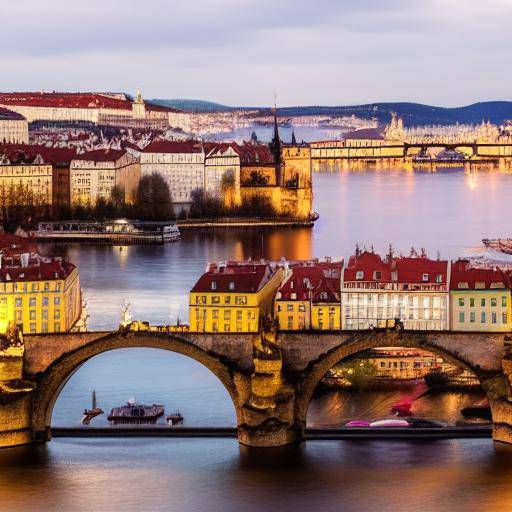
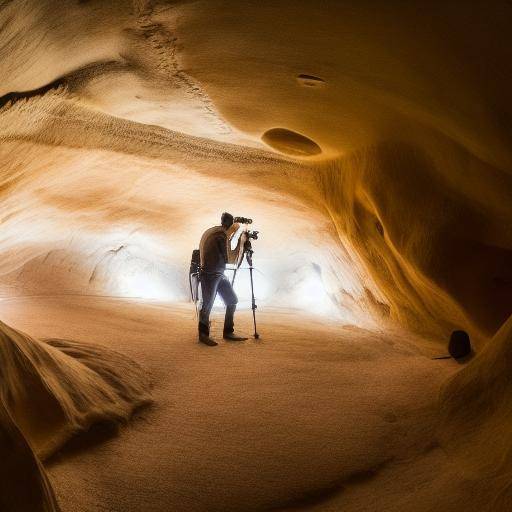
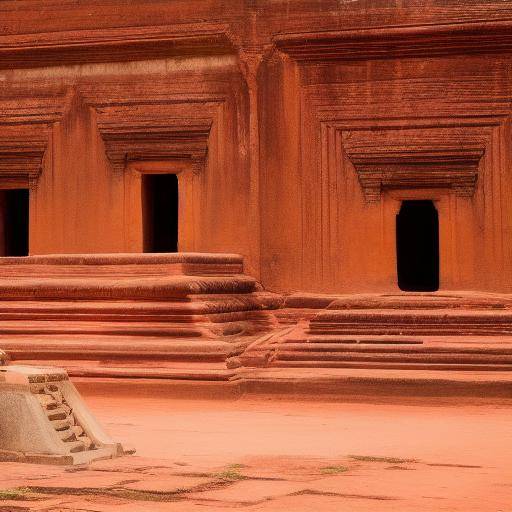
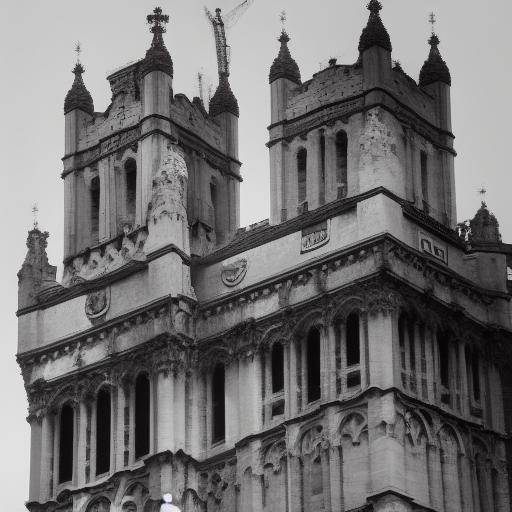
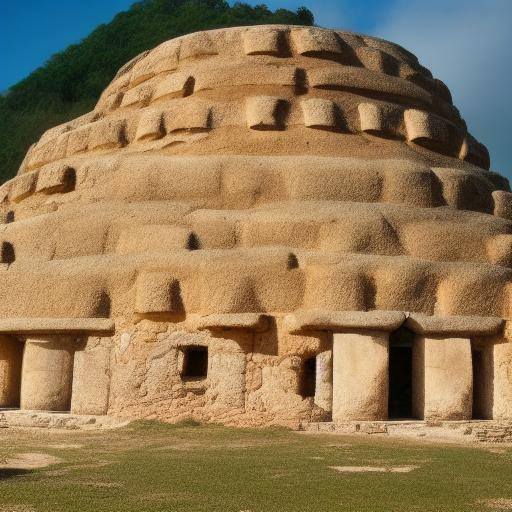
The Romanesque in Castile and Leon shines with an elegance that transcends time. With its majestic architecture and rich history, they offer a visual feast that captivates those who explore their treasures. In this photographic guide, we will discover the historical influence of the Romanesque, the beauty of Castile and Leon and how photography can immortalize this unique experience.
Introduction
The Romanesque in Castile and Leon is an amalgam of history, art and spirituality that merges in every corner of this region. Its monuments, churches and monasteries are mute witnesses of a glorious time and reflect the mastery of the craftsmen who erected them. Through this photographic guide, we will unravel the mysteries and beauty of this architectural style, explore the heritage richness of Castile and Leon and discover how photography can perpetuate its splendor.
History and Background
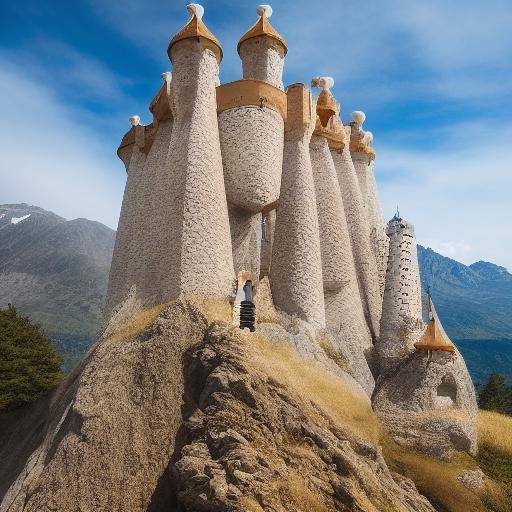
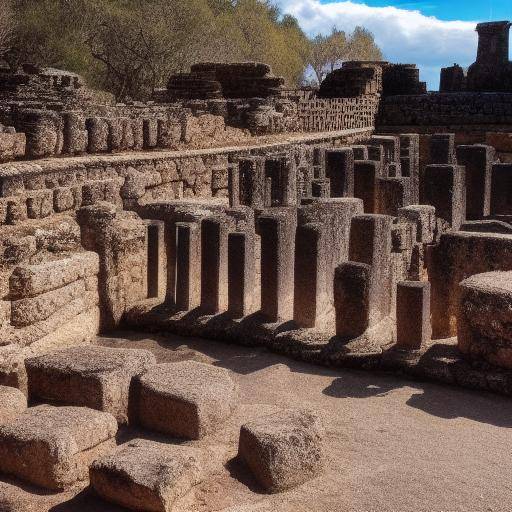
The Romanesque, which emerged in Europe during the XI-XIII centuries, is characterized by its midpoint arches, vaults, and structural robustness. In Castile and Leon, this style is enriched by the influence of the Reconquista, manifesting itself in churches, monasteries and castles that narrate the exploits of the time. Among the jewels of the Spanish-Leonian Romanesque are the Colegiata de San Isidoro in León, the Cathedral of Zamora and the Church of San Martín de Tours in Frómista, whose sobriety and majesty deserve to be captured from multiple angles.
Deep analysis
Photography enriches our perception of Romanesque in Castile and Leon by allowing us to immortalize its details, contrasts of light and textures that transport us to another era. From the technical challenge of capturing the grandeur of the vaults to the delicate set of lights and shadows in the cloisters, photography gives us a new way to appreciate and preserve the Romanesque legacy.
Detail
The combination of the Romanesque, Castile and Leon, and photography results in a visual symphony that evokes a deep connection with history and tradition. It is essential to understand the essence of each element to achieve photographic representations that convey its unique essence.
Comparative analysis
The Romanesque in Castile and Leon has a singularity that distinguishes it from other architectural styles, being its coexistence with nature and the imprint of history the main samples of its exceptionality. At the time of capturing these artistic manifestations, photography must reflect the symbiosis between the human work and the natural environment that houses it.
Practical Tips and Accessible Orientation
When photographing the Romanesque in Castile and Leon it is essential to plan ahead, explore different perspectives and take advantage of the natural light to capture the essence and atmosphere of each monument. In addition, carefully selecting the lens, using tripods and applying appropriate composition techniques will allow you to obtain exceptional images that convey the grandeur and historical essence of the Romanesque.
Perceptions of Industry and Expert Reviews
The impact of photography on the promotion of Romanesque in Castilla y León is incalculable. Cultural heritage experts agree on the relevance of photography as a tool for preserving, disseminating and promoting the architectural wealth of the region.
Case Studies and Real Life Applications
The practice of photography in Romanesque monuments of Castile and Leon not only allows visitors to capture memories, but also to sensitize with the cultural and heritage value of the same nuns, thus promoting sustainable tourism and the interest in the historical-artistic legacy of the region.
Future Trends and Predictions
Current trends in photography, combined with growing interest in cultural tourism and historical heritage, augur a promising future for the visual capture of the Romanesque in Castile and Leon. An increase in the production and dissemination of photographic content is expected to highlight the uniqueness and beauty of the Romanesque as a way of preserving and sharing its legacy with future generations.
Conclusion and Frequently Asked Questions
The Romanesque in Castile and Leon is a treasure that, thanks to photography, can be immortalized and shared with the world. This photographic guide has explored the history, aesthetics and possibilities that emerge when capturing the Romanesque in the region. We hope that this information will inspire explorers and photographers to immerse themselves in this wonderful visual experience and contribute to the preservation of cultural heritage.
Frequently asked questions
What are the best Romanesque monuments to photograph in Castile and Leon?
The richness of the Romanesque in Castilla y León offers numerous photogenic monuments; among the most outstanding are the Colegiata de San Isidoro in León, the Cathedral of Zamora and the Church of San Martín de Tours in Frómista.
What photographic equipment is ideal to capture the essence of the Romanesque?
The choice of the equipment varies according to personal preferences and the style of photography, however, it is recommended to use large angular lenses to capture the amplitude of the spaces and fixed focal lenses to highlight architectural details.
Is it necessary to obtain special permissions to photograph Romanesque monuments in Castile and Leon?
Some monuments may require special permissions for professional photography or the use of tripods. It is recommended to check the specific regulations of each site before the visit.
How can natural lighting contribute to the photographic capture of the Romanesque in Castile and Leon?
Natural lighting is essential to highlight architectural details and create impactful visual effects. Sunrises and sunsets offer ideal conditions of light to capture the mystical atmosphere of the Romanesque.
Is digital or analog photography more suitable to capture the Romanesque in Castile and Leon?
Both digital and analog photography offer unique creative possibilities. The choice depends on the style and preferences of the photographer.
How can photography contribute to the preservation of the Romanesque heritage in Castile and Leon?
Photography acts as a powerful means of sensitizing, promoting and preserving Romanesque heritage by spreading its beauty and cultural relevance globally.
In conclusion, the Romanesque in Castile and Leon transcends the mere architecture; it is a living testimony of history, human creativity and cultural heritage. Through the lens of photography, this heritage becomes a timeless legacy that will last for the enjoyment and admiration of future generations.