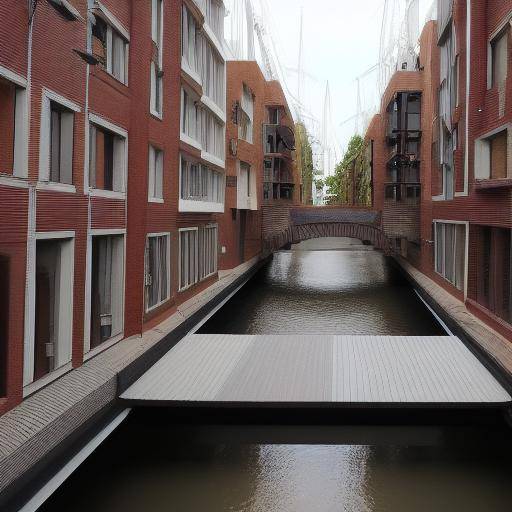
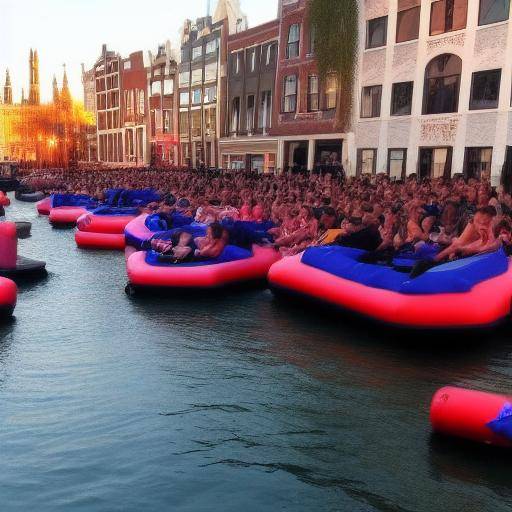
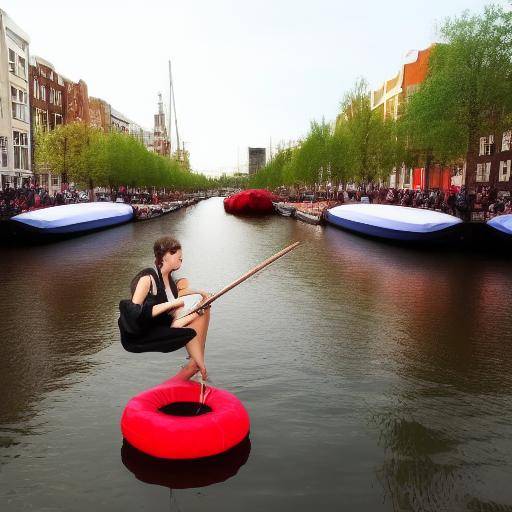
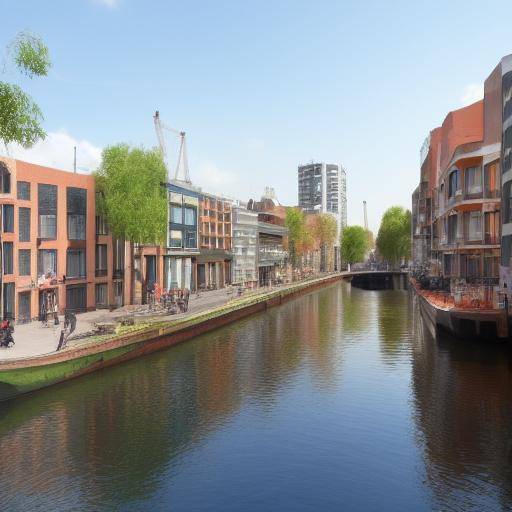
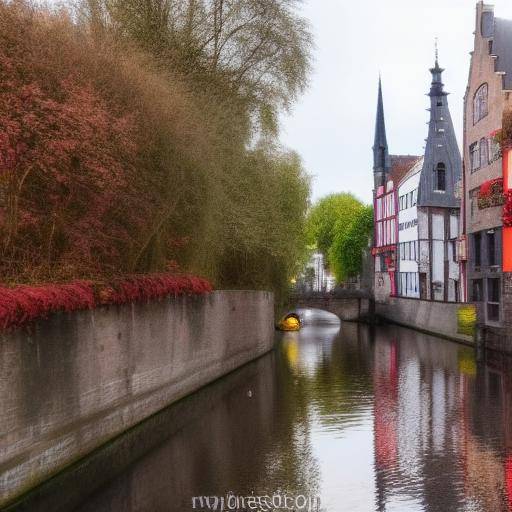
Welcome to an exciting and cultural journey through the famous canals of Amsterdam! In this article, we will explore the rich history, cultural influence and unique beauty of the canals of Amsterdam, as well as its impact on the vibrant city of the Netherlands. From the ancient history of these waterways to their modern cultural relevance, we will discover how the canals of Amsterdam continue to play a vital role in the identity of the city, attracting visitors from around the world. Get ready for an unforgettable walk through the canals of Amsterdam!
Introduction
Amsterdam, the picturesque capital of the Netherlands, is famous for its charming canals that wind through the city. These canals, which were built in the 17th century during the Dutch Golden Age, are not only a historic milestone, but also a testimony to the engineering and urban planning of teachers.
On this tour through the canals of Amsterdam, we will explore its history, its cultural impact and its contemporary relevance. In addition, we will examine the wonderful architectural heritage that surrounds these channels, their influence on art and culture, as well as the unique experiences that offer visitors to Amsterdam.
History and Background: The Golden Age of Amsterdam and the Construction of Channels
The Origen of the Channels
During the seventeenth century, Amsterdam experienced an unprecedented period of wealth and prosperity. This economic flourishing, known as the Golden Age of Amsterdam, was the result of the growing influence of the city on world trade, especially through the Dutch East India Company.
In an effort to accommodate the growing trade and the growing population, an intricate channel system was planned and built. This ambitious project transformed the topography of Amsterdam, creating a network of waterways connecting the city and allowing the transport of goods and people efficiently and safely.
The four main semicircular channels, known as the "Main Songs", were excavated during this period and subsequently supplemented with a smaller network of secondary channels. These channels formed a ring around the historic centre of Amsterdam, which is now a UNESCO World Heritage Site.
Development and Evolution of Channels
The channels not only offered practical benefits, but also became a symbol of status and power for Amsterdam's growing business class. The houses along the canals were built by prosperous merchants and members of the high society, which led to the creation of impressive mansions and elegant houses of merchants with ornamented facades and elegant gabletes.
This unbridled construction period led to an amazing architectural diversity along the canals, with influences ranging from Dutch rebirth to baroque and neoclassicism. The beauty and splendor of the houses along the canals, together with the well-planned canal system, turned Amsterdam into a model for contemporary urbanism.
Cultural and Artistic Influence of the Amsterdam Canals
Art and Culture along the Canals
The canals of Amsterdam are not only a remarkable achievement in terms of engineering, but have also significantly influenced the art and culture of the city. The Dutch Golden Age artists, such as Rembrandt van Rijn and Johannes Vermeer, found inspiration in the canals and urban life that flourished around them.
The picturesque urban landscapes that formed along the canals, with their elegant architectures and reflections in the water, became recurrent themes in the work of these teachers, as well as in numerous engravings and drawings of the time. The symbiosis between art and everyday life along the canals led Amsterdam to become a world-renowned art and cultural centre, a reputation that keeps up to this day.
Moreover, the canals of Amsterdam have been a source of inspiration for writers, poets and filmmakers, who have captured their charm and singularity in their works. The annual holidays, such as the Historische Zeilvaartdagen in the port of Amsterdam, offer an opportunity for visitors to experience the rich maritime tradition of the city and immerse themselves in the unique atmosphere emanating from its centuries-old channels.
The Contemporary Relevance of the Amsterdam Canals
Tourist and Social Impact
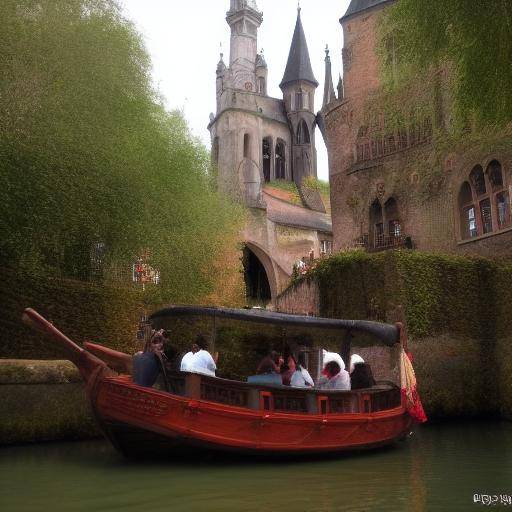
Today, the canals of Amsterdam continue to play a vital role in the life of the city. Beyond its historical and cultural importance, the canals have acquired new relevance as top-level tourist destinations, attracting millions of visitors every year. Boat tours through the canals have become one of the most popular activities for tourists who want to admire the architectural beauty and discover the history of Amsterdam from a unique perspective.
In addition, the canals of Amsterdam serve as a central space for community events and holidays, such as King's Day, during which the waters are filled with decorated boats and festivals on the street that celebrate Dutch culture. These holidays reflect the deep-rooted connection between the canals and the collective identity of Amsterdam.
Sustainability and Current Challenges
Despite its timeless charm, the canals of Amsterdam face contemporary challenges, such as the preservation of architectural heritage, tourism management and environmental sustainability. Effective management of these challenges is crucial to ensuring that channels can continue to play their role as long-term cultural and tourism assets, preserving their legacy for future generations.
In this regard, the Amsterdam authorities have implemented sustainability and conservation initiatives to protect both the canals and the surrounding urban environment. These measures seek to balance the preservation of historical heritage with the need to adapt to changes in society and sustainable tourism.
Conclusion
In conclusion, the canals of Amsterdam represent much more than a mere network of navigable pathways. They witness the history, artistic expression and everyday life of the city over the centuries. With its unmatched beauty, its lasting cultural impact and its contemporary relevance, the canals of Amsterdam will remain a lasting symbol of the city and an indispensable destination for those who wish to immerse themselves in its rich heritage and timeless charm.
Frequently asked questions (FAQs)
1. What is the best way to explore Amsterdam's canals?
The best way to explore the canals of Amsterdam is to take a boat tour. There are numerous companies that offer guided tours in various languages, which provides a fascinating perspective on the history and architecture of the city.
2. What is the best time of the year to visit the canals of Amsterdam?
Amsterdam is charming all year round, but spring and summer are often the most popular moments to visit the canals, as the weather is more temperate and the landscapes are lush and colorful.
3. Can you rent boats or kayaks to explore Amsterdam's canals independently?
Yes, there are options to rent boats eléct Thank you for reading our article on the canals of Amsterdam! We hope that it has given you an enriching vision of the history, culture and contemporary importance of these wonderful treasures of the city. Whether you're planning a visit to Amsterdam or simply interested in immerse yourself in its rich heritage, the canals of this city will certainly leave you a lasting impression and an unforgettable experience. With its timeless charm and its lasting impact, the canals of Amsterdam continue to be a vivid reminder of human ingenuity, artistic creativity and historical beauty that endure over the centuries.
FAQs
1. Where can I get more information about Amsterdam's canal visits?
For more information on boat tours through the canals of Amsterdam, we recommend you to visit the official tourist website of Amsterdam, where you will find a wide range of options to explore this wonderful waterway network.
2 What is the best way to capture the beauty of Amsterdam's channels in photography?
To capture the beauty of Amsterdam's channels in photography, we recommend exploring the options of photographic cruises that offer tours specifically designed for photographers. In addition, getting up early or at sunset can give you a spectacular light to take stunning photos.
3. Do Amsterdam's canals freeze in winter?
Yes, the canals in Amsterdam can be frozen during the especially cold winters. This creates a beautiful and unique landscape, and ice skating experiences on the canals offer a memorable experience. However, it is important to be attentive to local safety recommendations when the channels are frozen.
4. What are the highlights that take place along the Amsterdam channels?
The canals of Amsterdam host a variety of events throughout the year, ranging from water parades to festivals and floating markets. Some featured events include King's Day, held on April 27, and the Lights Festival, when the channels are illuminated with spectacular artistic facilities.
5. Are the canals in Amsterdam open all year for tourist visits?
Yes, the canals of Amsterdam are open all year for tourist visits. Although the tourism season is more active in spring and summer, boat tours are available during all seasons, allowing you to enjoy the beauty of the channels at any time of the year.
6. Are there accommodation options along the Amsterdam channels?
Yes, there are numerous accommodation options along Amsterdam channels, ranging from boutique hotels to holiday rentals and bed and breakfasts with picturesque views. Staying near the channels gives you the opportunity to immerse yourself in the charm of the city from the comfort of your own room.