Tikal National Park is a natural gem located in the heart of Guatemala, which houses an amazing diversity of flora and fauna. In this article, we will explore the natural wealth of Tikal, highlighting its impact on biodiversity and its importance on the Guatemalan ecosystem. From its ancient ruins to its lush wildlife, we will discover the beauty and relevance of this wonderful enclave.
History and Background
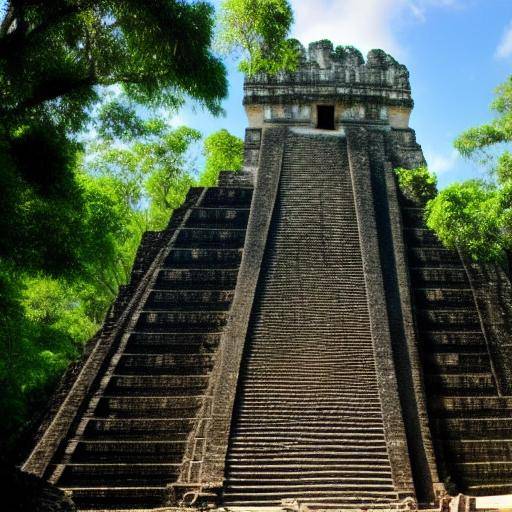
The Tikal National Park is more than an impressive landscape with ancient ruins; it represents an ancient history and an exceptional biodiversity. Founded in 1955, Tikal is one of Guatemala's first national parks. His story goes back to Mayan civilization, which lived in this region and left an invaluable cultural legacy. The impressive ruins offer a window to the past, revealing the architectural and spiritual grandeur of this ancient civilization. Over the years, Tikal has been an important conservation site, protecting not only the Mayan ruins, but also the natural wealth that surrounds it.
Deep analysis
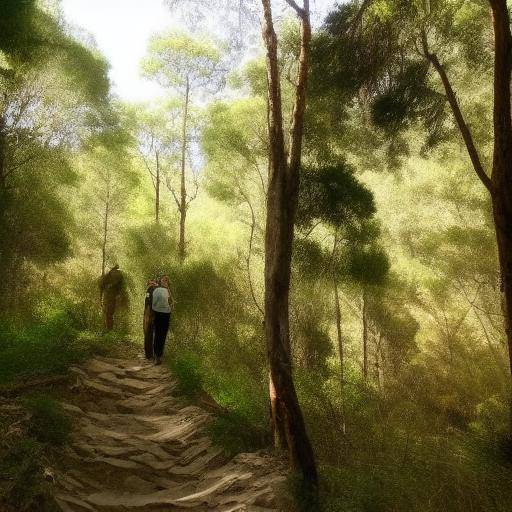
Biodiversity in Tikal National Park is amazing. It hosts a wide variety of species, from jaguars and spider monkeys to exotic birds such as Quetzal, Guatemala's national bird. The tropical rainforest surrounding the ruins is full of life, with medicinal plants, giant trees and a surprising diversity of insects and reptiles. This prosperous ecosystem is the result of careful conservation and protection policies implemented in the park.
The preservation of biodiversity in Tikal not only enriches the natural landscape, but also has a positive impact on the local economy. Sustainable tourism has flourished in the region, providing employment opportunities and fostering community development. In addition, the scientific research carried out in the park provides valuable knowledge about the conservation of endangered species and the preservation of ecosystems.
Comprehensive review
In considering the general landscape of nature in Guatemala, Tikal emerges as an invaluable asset. Its role in conservation and promotion of ecotourism highlights the importance of preserving protected natural areas. In addition, collaboration between governmental, scientific and local organizations is critical to ensuring long-term sustainability.
The synergy between nature and culture in Tikal is a testimony to the intrinsic connection between human beings and their natural environment. From the ceremonies in the ancient ruins to bird-watching tours, Tikal offers a holistic experience that promotes appreciation and respect for nature.
Comparative analysis
Compared to the biodiversity in Tikal with other regions of Guatemala, we find significant similarities and differences. While some ecosystems are rich in certain endemic species, others have unique migration patterns. Understanding these variations in biodiversity is crucial for formulating conservation strategies adapted to each specific ecosystem.
Practical Tips and Accessible Recommendations
- Plan your visit to Tikal during the bird watching season to maximize the observation of unique species.
- It supports local communities by acquiring handicrafts or participating in community tourism experiences.
- It respects the environmental protection standards of the park, such as not feeding wildlife or not damaging the vegetation.
Sector Perspectives and Views of Experts
"The conservation of Tikal is fundamental to Guatemala, as it represents our natural and cultural heritage. It is essential to continue protecting this treasure for future generations," says conservation expert Dr. Ana Gutiérrez.
Case Studies and Practical Applications
A notable example of the importance of biodiversity in Tikal is the rediscovery of previously considered extinct species. Continuous monitoring of wildlife in the park has allowed us to detect the presence of almost disappeared species, highlighting the value of long-term conservation.
Future Trends and Predictions
As ecotourism and environmental awareness continue to grow, Tikal is expected to play an even more significant role in promoting sustainability and conservation. The integration of innovative technologies, such as remote monitoring of biodiversity, can provide crucial information for the effective management of the park.
Conclusions
Tikal National Park is a natural and cultural treasure that stands out for its unique biodiversity. From the majestic Mayan ruins to the lush tropical jungle, Tikal offers an enriching experience that promotes conservation, sustainable tourism and the connection with nature.
Frequently asked questions
What is the best time to visit Tikal?
The best time to visit Tikal is during the dry season, from November to April. During this period, wildlife is more active and the weather is ideal for exploring the park.
What are the threats to biodiversity in Tikal?
The main threats to biodiversity in Tikal include deforestation, poaching and climate change. Conservation policies and community participation are critical to addressing these threats.
What are the sustainable tourism activities available in Tikal?
Sustainable tourism in Tikal offers a wide range of activities, such as jungle guided tours, bird watching, and visits to archaeological ruins with certified local guides.
How does tourism contribute to conservation in Tikal?
Tourism in Tikal generates income that is used for the management and conservation of the park, as well as to support community development programs in the surrounding areas.
What measures are being taken to preserve biodiversity in Tikal?
Species monitoring, ecosystem restoration and environmental education programmes are being implemented to preserve biodiversity in Tikal.
What is the economic impact of Tikal National Park in Guatemala?
The Tikal National Park generates employment, drives tourism and contributes significantly to the local and national economy of Guatemala.
In short, biodiversity in Tikal National Park is an invaluable asset that deserves to be protected and appreciated. Its influence on conservation, sustainable tourism and the connection with nature makes it an exceptional example of the harmonious relationship between human beings and their natural environment.