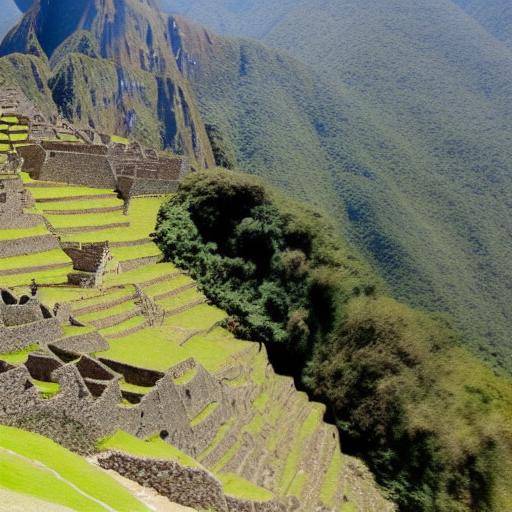
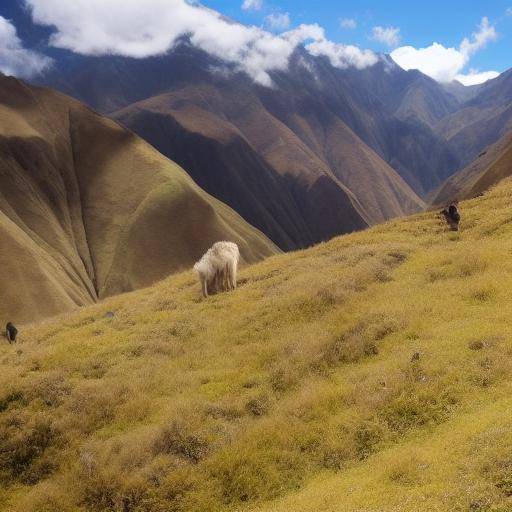
In the heart of the Peruvian Andes, there is a historical and natural wonder: the Inca Way. This ancient system of paved paths, built by inca civilization, is not only famous for its impressive ruins and landscapes, but also for its rich biodiversity. In this article, we will explore the flora and fauna that inhabit this iconic path, as well as its importance in the Peruvian ecosystem.
Introduction
The Inca Way is much more than a trail for trekking enthusiasts; it is a living testimony of the close relationship between nature and history in the Andean region of Peru. From its origins to its contemporary relevance, this article will take you to a journey through the biodiversity surrounding the Inca Way, revealing its impact on both conservation and sustainable tourism.
History and Context
The Inca Way, known in Quechua as Qhapaq Ñan, was the backbone of the Inca Empire, connecting vast regions from southern Colombia to northern Argentina. Built with impressive engineering, the road was interconnected with a network of trails across various ecosystems, from the highlands of the Andes to the Amazon rainforest.
The origin of the Inca Way dates back to the 15th century, when Emperor Pachacotec expanded the Inca Empire and ordered the construction of this network of roads to integrate and control the territories. In addition to its strategic importance, the road facilitated cultural, commercial and, crucially, the flow of information along the vast empire.
The construction of the Inca Trail was an unparalleled engineering prowess in its time, with sections of exquisite stonework that still resist erosion and the passage of time. This historical legacy is combined with a unique biodiversity, which makes every step an experience that goes beyond history and culture.
Analysis in Deep
The natural wealth surrounding the Inca Way is home to a diversity of plant and animal species. From the mysterious cloud forests to the puna valleys, the Inca Way hosts an astonishing variety of endemic flora, such as bee orchid, Puya Raimondi and quinoa tree. These species are not only a spectacle for visitors, but also play a crucial role in the preservation of Andean ecosystems.
As for the fauna, the Inca Way is the habitat of numerous iconic species, such as the bear of glasses, the Andean condor, the vizcacha and the gallows of the rocks. These animals, endangered or considered emblematic species of the Andes, are the focus of conservation programs that seek to protect their habitat and ensure their long-term survival.
Exhaustive examination
The biodiversity of the Camino Inca has a significant impact on sustainable tourism in Peru. Travelers from around the world come to this ancient path in search of unique adventures and experiences in full nature. However, tourism in this region also poses conservation and sustainable management challenges, as increased visitors can put pressure on fragile ecosystems.
Local communities, together with government authorities and conservation organizations, are working on initiatives to balance tourism with environmental protection. Promoting sustainable practices, environmental education and community participation are key to preserving the biodiversity of the Inca Way and fostering responsible tourism.
Comparative analysis
By comparing the biodiversity of the Camino Inca with other regions of Peru, you can appreciate its uniqueness and contribution to the country's biodiversity. While the Peruvian Amazon stands out for its lush tropical rainforest and a wide variety of species, the Inca Trail offers a unique setting that combines history, culture and nature in an incomparable setting.
Practical Tips and Accessible Recommendations
If you plan to explore the Inca Way and enjoy its biodiversity, it is crucial to follow sustainable tourism patterns and respect for the environment. Some practical tips include:
- Use tourism operator services that promote sustainable and environmentally friendly practices.
- Respect local flora and fauna, avoiding disrupting their natural habitat.
- Follow the guidelines and regulations established to guarantee the preservation of the Inca Way and its environment.
By adopting a responsible approach during your visit, you will contribute to the conservation of this invaluable natural and cultural jewel.
Insider Look and Expert Reviews
José María, an expert in the conservation of biodiversity in Peru, stresses the importance of integrating the protection of flora and fauna in the management of tourism in the Inca Way: "The natural wealth of this region is a treasure that we must preserve for future generations. Tourism can be a positive force if it is based on sustainable principles and respect for the nature and cultural heritage of these lands".
Case Studies and Real Life Applications
An inspiring example of conservation on the Inca Way is the work of local communities in protecting cloud forests and their endemic species. Through active participation in ecotourism projects and sustainable agroforestry practices, these communities have managed to preserve their natural environment while generating income that benefits the entire community.
Future Trends and Predictions
As sustainable tourism and environmental conservation become increasingly relevant at the global level, the approach to the protection of the biodiversity of the Camino Inca is expected to continue to be strengthened. In addition, greater collaboration between government, non-governmental organizations and local communities is expected to ensure the long-term sustainability of this unique region.
Conclusion
The Inca Way, with its exceptional biodiversity, represents a living testimony of intertwined history and nature. From its origins in the Inca Empire to its contemporary importance as a sustainable tourist destination, the Inca Trail offers us a journey in time through stunning landscapes and unique biodiversity.
By exploring the natural wealth surrounding the Inca Way, visitors have the opportunity to immerse themselves in a world where history, culture and nature intertwine in an unrivalled manner. The protection and sustainable management of this biodiversity are critical to ensuring that future generations can enjoy and learn from this natural treasure.
Frequently asked questions
What is the best time of the year to explore the biodiversity of the Inca Way?
The best time to enjoy the biodiversity of the Camino Inca is during the dry season, which runs from May to October. During this period, more stable weather conditions and a greater likelihood of wildlife sighting are experienced.
What are the most emblematic species of flora and fauna that can be found along the Inca Way?
Among the emblematic species of flora, the bee orchid, the Puya Raimondi and the quinoa stand out. As for the fauna, the bear of glasses, the Andean condor, the vizcacha and the gallon of the rocks are some of the most representative species.
What measures are being implemented to protect the biodiversity of the Inca Way?
Local authorities, together with conservation organizations and indigenous communities, are implementing measures such as visitor management, the promotion of sustainable tourism practices and the preservation of natural habitats to protect the biodiversity of the Camino Inca.
Is it possible to observe the biodiversity of the Inca Way without making the complete trekking?
Yes, there are shorter routes that allow you to explore the biodiversity of the Inca Way without having to perform the full trekking to Machu Picchu. These routes offer a more accessible experience for those who want to enjoy nature and culture without compromising on a long walk.
How does sustainable tourism contribute to the preservation of the biodiversity of the Inca Way?
Sustainable tourism promotes environmentally friendly practices and supports biodiversity conservation by raising awareness of the importance of protecting fragile ecosystems. It also provides economic opportunities to local communities, encouraging their participation in conservation.
What role do local communities play in protecting the biodiversity of the Camino Inca?
Local communities play a key role in preserving the biodiversity of the Camino Inca. Through their participation in ecotourism, cloud conservation and sustainable agricultural practices, these communities actively contribute to the protection of the natural environment.
What is the impact of climate change on the biodiversity of the Inca Way?
Climate change is affecting the biodiversity of the Inca Way by causing changes in precipitation and temperature patterns, which in turn alters ecosystems and threatens endemic species. Understanding and mitigating these impacts are key to protecting the biodiversity of the region.
After exploring the biodiversity of the Inca Way, it is clear that its importance goes beyond the physical landscape; it is a living testimony of the interconnection between nature and history, as well as a reminder of the need to preserve these wonders for future generations.