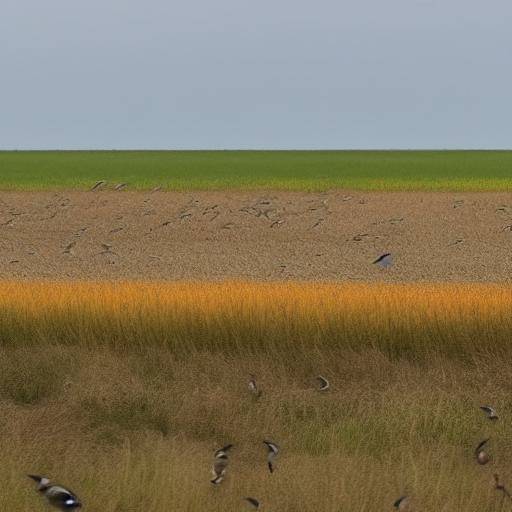
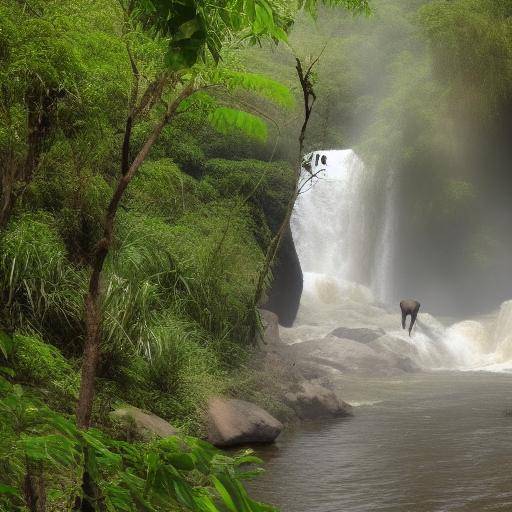
The Everglades, a vast and unique tropical wetland ecosystem located in southern Florida, hosts a rich diversity of unique flora and fauna. This fascinating place is home to some of the most exotic and threatened species in the world. Throughout this article, we will explore the extraordinary biodiversity of the Everglades, as well as its ecological importance and relevance in the context of the conservation of nature in Florida. From the majesty of bald eagles to the delicacy of cucharite orchids, discover how the Everglades play a vital role in maintaining health and the diversity of the environment.
Introduction to the Everglades
Known as the "weed farm", the Everglades are a unique ecosystem that spans more than 600,000 acres of wet lands. This vast territory houses a wide variety of habitats, ranging from swamps and mangroves to pine forests. In addition, it is home to a surprising variety of species, including caimans, Florida panthers, manatees and more than 350 bird species.
History and Background
Origins
The history of the Everglades dates back thousands of years, when this natural landscape was occupied by the indigenous tribes that depended on their natural resources to survive. This region became part of the United States in the nineteenth century, and has since experienced a complex history that has influenced its development and conservation.
Historical importance
During the 19th century, the Everglades were seen primarily as obstacles to human expansion, leading to the construction of drainage and canalization systems to convert these wet lands into suitable areas for agriculture and urbanization. However, as its ecological importance was better understood, efforts were initiated to preserve and restore this fragile ecosystem.
Analysis in Deep
Benefits and Challenges
Everglades play a key role in maintaining biodiversity and ecological balance in South Florida. However, they face significant challenges, such as habitat loss, water pollution and climate change. Conservation and restoration efforts continue to be critical to protecting this invaluable natural area.
Ecological import
The Everglades act as a natural filter for the supply of fresh water, providing drinking water to millions of Florida residents. They also serve as a refuge for many species of plants and animals, many of which are not found anywhere else in the world. Its biological diversity is invaluable for scientific research and the maintenance of ecological balance.
Comprehensive review
Other applications
Beyond its ecological importance, the Everglades also have a significant impact on the ecotourism industry and the attraction of visitors from around the world. Boat tours, bird watching and exploring intricate wetland systems are just some of the activities that attract nature lovers and ecologists to this unique region.
Futures
The future of the Everglades is closely linked to the decisions and actions taken in terms of conservation and management. Sustainable development and cooperation among various stakeholders are vital to safeguard this natural treasure for future generations.
Comparative analysis
Nature in Florida
The Everglades represent an important part of the Florida ecosystem, providing a vivid perspective of intact nature that once dominated much of the state. When comparing the Everglades with other natural regions of Florida, its unique characteristics and its importance for biodiversity and habitat of numerous species are highlighted.
Practical Tips and Accessible Recommendations
For those who wish to visit the Everglades, it is essential to respect conservation regulations and participate in activities that encourage the preservation of the ecosystem. Some recommendations include:
- Respect protected areas and follow the directions of local guides.
- Avoid the use of chemicals or pesticides that may affect flora and fauna.
- Support conservation organizations and participate in volunteer programmes.
Vision of Industry and Opinions of Experts
Several conservation and biology experts have expressed concern about the loss of habitat and environmental degradation in the Everglades. They emphasize the importance of promoting public awareness of the conservation of this unique ecosystem and of working in collaboration with the government and international organizations to ensure its long-term preservation.
Case Studies and Practical Applications
Over the years, several scientific projects and studies have focused on the Everglades, revealing fascinating discoveries about the interconnection of species and the importance of this unique ecosystem for the health of the planet. Restoration efforts, such as reintroduction of endangered species, have provided valuable lessons on managing fragile ecosystems.
Future Trends and Predictions
For the future, it is crucial to adopt innovative and sustainable conservation strategies to safeguard the Everglades. Restoration efforts are expected to be intensified and policies that mitigate the impacts of climate change on this special ecosystem are promoted. In addition, there is a greater focus on environmental education and citizen participation in the conservation of the Everglades.
Conclusion
The extraordinary biodiversity of the Everglades, combined with their complex history and ecological importance, makes them an invaluable treasure that must be protected and preserved for future generations. This natural wonder not only enriches Florida's biological heritage, but also provides unmatched opportunities for learning, recreation and ecotourism. By heading towards a future of environmental awareness and collective action, we can ensure that the Everglades continue to dazzle the generations to come with their natural splendor.
Frequently asked questions
What are the biggest threats to Everglades' biodiversity?
The main threats include habitat loss due to urban development, water pollution, invasive species introduction and climate change.
What is the impact of tourism in the Everglades?
Tourism can have a positive impact by raising awareness of the importance of conservation and by boosting the local economy. However, it is crucial to sustainably manage the influx of visitors to minimize the impact on the ecosystem.
What is the current status of restoration efforts in the Everglades?
Restoration efforts are ongoing, with projects aimed at restoring natural water flows, controlling invasive species and restoring degraded habitats.
What are some emblematic species that inhabit the Everglades?
Among the emblematic species are the American Cayman, the Antilles Manatí, the Florida Panther and the Blue Garce.
How can I contribute to the conservation of the Everglades from my community?
You can contribute through participation in volunteer programs, the dissemination of information on the importance of conservation and support to organisations dedicated to the protection of Everglades.
What are some practical steps the authorities can take to protect the Everglades?
Authorities must implement water management policies that favor natural flows, control water pollution, promote sustainable practices in agriculture and limit urban development in critical areas of biodiversity.
What is the cultural value of the Everglades for local communities?
The Everglades have a great cultural value for local communities, as they have traditionally been a place of interaction with nature, food and resources, and a central point of their heritage and identity. The recognition of this value has led to a greater commitment of the communities to their conservation.
With these resources and knowledge, we hope you can better understand the importance of preserving the amazing Everglades and the biodiversity they host. Disseminating awareness of these exceptional ecosystems is essential for their long-term protection and preservation. Explore the beauty and uniqueness of the Everglades, and join the mission to preserve this natural wonder for future generations!