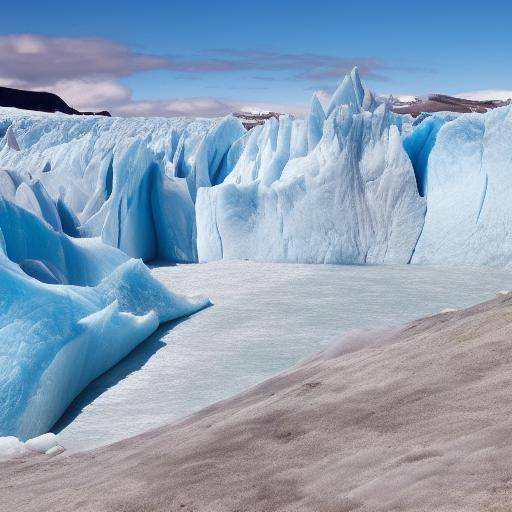
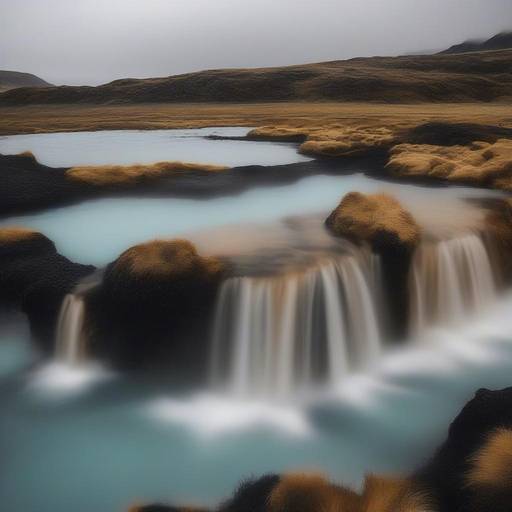
The waterfalls are natural wonders that arouse admiration and wonder in every viewer. South America, with its lush biodiversity, hosts some of the most impressive waterfalls in the world. From the majestic waterfalls to the coveting roar emanating from them, South American waterfalls combine beauty and power in an incomparable way. In this article, we will explore the best waterfalls in South America, its historical importance, its impact on nature and tourism, as well as practical advice and future forecasts. Get ready to immerse yourself in the magnificent South American waterfalls!
Introduction
At the top of the world: the greatness of the South American waterfalls
If there is a spectacle of nature that deserves to be admired, surely there are the cascades of South America. From the imposing fall of the Angel Fall in Venezuela, the majesty of the Iguazú Falls in the region of the triple border between Argentina, Brazil and Paraguay, to the captivating Blue Water Falls in Mexico, the waterfalls of this region offer an incomparable spectacle that combines natural wonder with a force that defies gravity.
Throughout this article, we will explore not only the pure beauty of these waterfalls, but also their historical, cultural significance, and their impact on tourism and the conservation of the environment. In addition, we will provide practical advice for those who wish to explore these wonders in person. From the majesty of nature to the impact on tourism and its future, this exploration promises to immerse us in a world of natural splendor, power and beauty.
History and Background
The history of South American waterfalls is as fascinating as its imposing appearance. These natural wonders have witnessed the geological and cultural evolution of the region. From the formation of the first waterfalls to their influence on indigenous civilizations and their discovery by European explorers, South American waterfalls have left an indelible mark on human history and imagination.
Geological and Landscape Origins
The magnificence of the South American waterfalls dates back millions of years, when the tectonic movements and erosion shaped the terrain to give rise to these wonders. The geological diversity of the region, ranging from the Andes mountains to the vast plains of the Amazon region, has provided a perfect setting for the formation of imposing waterfalls.
Influence in Indigenous Culture and Discovery by Europeans
The presence of waterfalls in South America has not only left a mark on the landscape, but also on the culture of the indigenous peoples who have inhabited these lands for millennia. For many of these communities, waterfalls have been regarded as sacred places, associated with gods and rituals that celebrate life and fertility.
Detailed Analysis
Impact on Tourism and Conservation of the Environment
South American waterfalls not only attract avid tourists to contemplate their beauty, but also play a crucial role in the conservation of the environment. Many of these waterfalls are in national parks or natural reserves, which has contributed to their protection and preservation. In addition, sustainable waterfall-based tourism has generated revenues that have supported the conservation of the surrounding flora and fauna, making them powerful environmental preservation engines.
Challenges and Opportunities
Despite its importance as a tourist attraction and its contribution to conservation, South American waterfalls also face challenges, such as climate change pressure and unsustainable development. The increase in human activity in the surrounding regions puts at risk the integrity of these ecosystems, highlighting the need to take measures to preserve these natural wonders for future generations.
Comprehensive review
Practical tips to enjoy the waterfalls of South America
If you are planning to visit the South American waterfalls, it is essential to be prepared to make the most of this unique experience. Here are some useful practical tips to ensure your visit is safe, fun and meaningful.
- Pre-research the waterfalls you plan to visit, including access, weather conditions and local regulations.
- Consider hiring local guides that will not only take you to the best viewpoints, but also provide relevant cultural and environmental information.
- It respects nature and follows the rules established in protected areas. Keep the environment clean and avoid disrupting the fauna.
- Suitable fitting: due to the presence of moisture and dew, it is advisable to wear suitable clothes and resistant shoes.
Comparative analysis
Similarities and Differences between the South American Cascades
Although every South American waterfall has its own unique personality and charm, it is possible to identify similarities and differences that enrich its diversity and uniqueness.
- Similarities:
- The abundant biodiversity surrounding the waterfalls, offering a natural sanctuary for numerous species of flora and fauna.
- The majesty and the sensation of awe that awaken in visitors, regardless of their origin or culture.
- The positive impact on the local economy through sustainable tourism and environmental conservation.
- Variances:
- Size and water flow: some waterfalls impress for their imposing size and strength of their fall, while others stand out for their delicacy and beauty.
- Cultural context: Each cascade is immersed in a unique cultural environment, with local stories and myths that give it a special symbolic dimension.
Practical Tips and Accessible Recommendations
How to make the most of your visit to the South American waterfalls
- Visit in the right season: every waterfall has its best season to enjoy the maximum of its splendor, which can vary according to the region and weather conditions.
- Take part in ecotourism activities: some destinations offer experiences beyond simple contemplation, such as hiking, bird watching and water sports.
- Support conservation: consider donating or participating in volunteer programs that contribute to the preservation of these valuable ecosystems.
Sector Reflections and Expert Reviews
Perspectives of the Tourism and Environmental Conservation Industry
The tourism sector and conservation organizations recognize the strategic importance of South American waterfalls as natural and cultural assets. Experts on sustainable tourism affirm that the potential for the development of meaningful and sustainable experiences around these natural wonders is vast and must be addressed with long-term responsibility and vision, ensuring a balance between human enjoyment and environmental preservation.
Case Studies and Practical Applications
Lessons Learned from South American Cascade Management
Through case studies of various South American cascades, it is possible to identify successful management models that have successfully reconciled the conservation of the environment with sustainable tourism development. These experiences serve as sources of inspiration and guidance for future natural destination management projects.
Future Trends and Predictions
The Future of the South American Falls: Challenges and Opportunities
The future panorama of South American waterfalls is marked by challenges and opportunities. The pressure on these natural jewels will increase as tourism experiences continuous growth and climate change exerts its influence on ecosystems. However, the growing interest and commitment to conservation and ecotourism offer a ray of hope for the future of these natural wonders.
Conclusion
Celebrating the Beauty and Power of the South American Falls
South American waterfalls represent a fusion of pure beauty and indomitable power, captivating those who contemplate them and expressing the greatness of nature in its most splendid form. Its importance transcends the mere visual spectacle, providing economic, cultural and environmental benefits for local communities and nature lovers. In exploring their origins, impact and future, we have been able to appreciate the magnitude of their influence and the responsibility to preserve them for generations to come.
Frequently asked questions
What are the most famous cascades in South America?
The most famous waterfalls in South America include the Iguazú Falls, the Angel Falls, the South Niagara Falls, the Kaieteur Falls, and the Blue Water Falls, among others.
What measures are being taken to preserve the South American waterfalls?
Conservation and sustainable management measures are being implemented, including the creation of national parks, environmental education programmes, regulations for sustainable tourism, and the participation of local communities in the preservation of these natural resources.
What is the best time to visit the South American waterfalls?
The best time to visit the South American waterfalls can vary according to the region. However, in general, the rainy season usually offers a more impressive spectacle due to the highest water flow, while the dry season can be ideal for outdoor activities.
What impact does tourism have on the South American waterfalls?
Tourism can generate significant economic benefits for local communities, but it also carries risks of environmental deterioration if it is not managed in a sustainable manner. It is therefore essential to promote responsible and environmentally friendly tourism.
What is the highest waterfall in the South American continent?
The Angel Fall, located in Venezuela, is considered the highest waterfall in South America and the world, with a height of approximately 979 meters.
What do local communities do to preserve the South American waterfalls?
Local communities participate in conservation, promotion of responsible tourism, environmental education, and preservation of cultural practices associated with waterfalls, thus contributing to their protection and sustainable management.
This article is only a window to the infinite world of beauty and power that represent the cascades of South America. We hope that it has inspired you to contemplate and appreciate these natural wonders, as well as to reflect on the importance of protecting them for future generations.