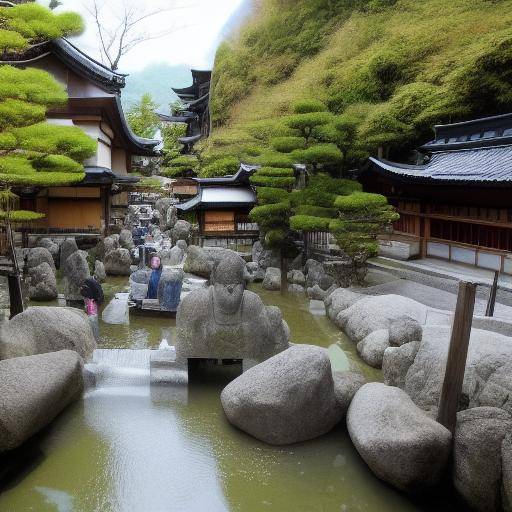
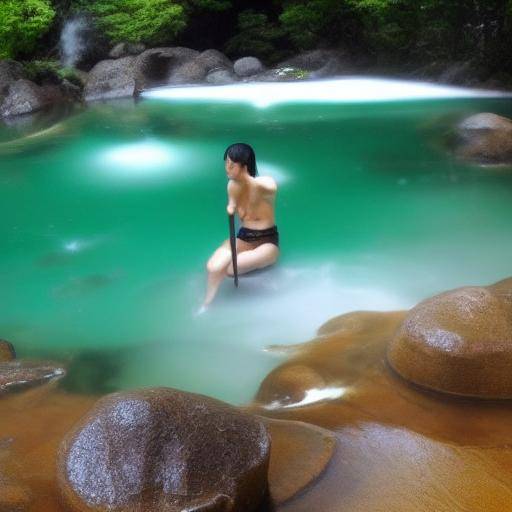
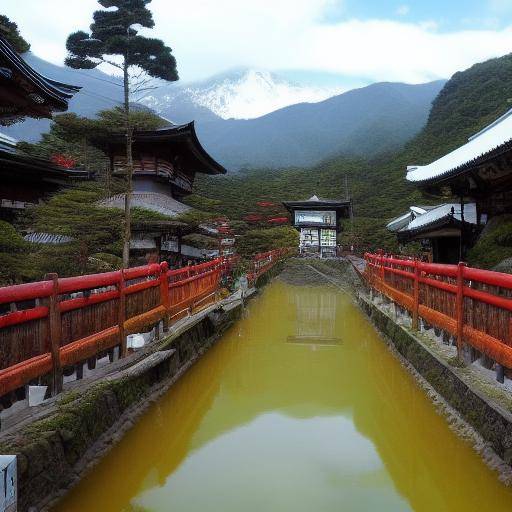
The thermal baths have been appreciated throughout history for their therapeutic and relaxing properties. Dipping in thermal waters provides a unique experience that not only promotes relaxation, but also provides numerous benefits for physical and mental health. In this article, we will discover the fascinating world of thermal baths, exploring its impact on health and well-being. From its historical origin to future trends, we will learn everything about this extraordinary natural resource.
Introduction
The thermal baths are naturally heated bodies of water by the geothermal activity below the earth. These mineral-filled waters offer a sensory and therapeutic experience that has been appreciated since time immemorial. Dipping into a thermal bath is a practice that goes back to ancient civilizations, and remains a source of well-being and relaxation today.
History and Background
The thermal baths have a rich history that goes back to ancient civilizations around the world. From Ancient Rome to Asian traditions, the culture of thermal baths has played a vital role in health care and well-being.
The term "rmal baths" comes from the Roman hot springs, where hot water was a central element in everyday life. Since then, the use of thermal waters has evolved, spreading across different regions and adapting to various cultural practices.
Analysis in Deep
The thermal baths offer a wide range of health benefits, from alleviating stress to improving blood circulation. These properties are supported by scientific evidence and practical experiences that demonstrate their effectiveness in the treatment of various diseases and as complementary therapy.
The thermal waters, rich in minerals such as sulphur, magnesium and calcium, have positive effects on the skin, joints and muscles. In addition, contact with hot water promotes muscle relaxation and reduces the accumulated tension in the body.
Comprehensive review
The application of thermal baths for therapeutic purposes extends to various medical conditions, from arthritis to dermatological diseases. The spas specializing in thermal waters offer specific treatments that take advantage of the healing properties of these waters to improve the health of visitors.
In addition, research is being carried out to better understand the effects of thermal baths on mental health, especially in reducing stress and anxiety. Preliminary results show a positive impact on the emotional well-being of those who regularly experience thermal baths.
Comparative analysis
Compared to other forms of relaxation and health treatment, thermal baths offer unique benefits that combine the therapeutic power of hot water with the healing properties of minerals present in these waters. This combination creates an enabling environment for deep relaxation and physical restoration.
In contrast to traditional therapies, thermal baths provide a holistic experience that encompasses relaxation, physical recovery and sensory enjoyment, thus offering a unique combination of therapeutic and recreational benefits.
Practical Tips and Accessible Recommendations
If you are considering enjoying the benefits of thermal baths, here are some practical tips and recommendations to make the most of this unique experience:
- Check with a health professional: Before you immerse yourself in thermal baths, especially if you have pre-existing medical conditions, it is crucial to consult with a doctor to assess whether this practice is suitable for you.
- Hydration: Drink plenty of water before and after enjoying the thermal baths to keep your body hydrated.
- Moderation: Avoid spending long periods of time uninterrupted in thermal waters, as heat can cause dehydration and exhaustion.
- Beware of temperatures: Be sure to be attentive to water temperature, especially if you visit thermal baths with temperature variations.
- Respect for the environment: It contributes to preserving the nature and environment of the thermal baths according to the rules and regulations established by the local authorities.
Industrial Visions and Expert Reviews
Expert opinions in the field of health and well-being support the benefits of thermal baths. Holistic health professionals, as well as physical and occupational therapists, recognize the therapeutic value of thermal baths in the treatment of various conditions and in the promotion of general well-being.
Case Studies and Real Life Applications
Case studies show how thermal baths have been successfully used in the treatment of ailments such as arthritis, fibromyalgia and sports injuries. In addition, spas offering thermal baths as part of their comprehensive welfare services have demonstrated a positive impact on the health of their customers.
Future Trends and Predictions
As the approach to holistic health and comprehensive well-being continues to grow, thermal baths are expected to be increasingly appreciated as an effective and natural form of treatment and relaxation. In addition, greater integration of thermal waters is envisaged in spa programs and well-being centers to promote their use as a key therapeutic tool.
Conclusion
The thermal baths offer a unique experience that combines relaxation, well-being and health benefits. Its rich and diverse history, supported by current research, confirms its therapeutic and rejuvenating properties. By considering all the benefits they offer, thermal baths are presented as a valuable resource for improving physical and mental health.
Frequently asked questions
1. What are the specific benefits of thermal baths for health?
The thermal baths have proven to relieve muscle pain, improve blood circulation, promote relaxation and reduce stress, among other health benefits.
2. Are there contraindications for the use of thermal baths?
People with certain medical conditions, such as heart disease, hypertension or pregnancy, should consult a health care professional before diving into thermal baths.
3. How can I compare the quality of different thermal baths?
The quality of the thermal baths is based on the mineral composition of water, infrastructure, reputation of the place and the experiences of other visitors.
4. How long is it recommended to stay in a thermal bath?
It is recommended not to exceed 20-30 minutes in the water to avoid dehydration and heat exhaustion.
5. Is it safe to enjoy thermal baths during all seasons of the year?
Yes, as long as the recommendations for hydration and body temperature control are followed, the thermal baths are safe at any time of the year.
6. Are there differences between the natural thermal baths and the thermal baths built?
Although both offer therapeutic benefits, natural thermal baths usually have a unique mineral composition, while the built can control the temperature more accurately.
With this complete guide on thermal baths, you can discover and enjoy all the health and relaxation benefits offered by these wonderful natural sources.