Introduction
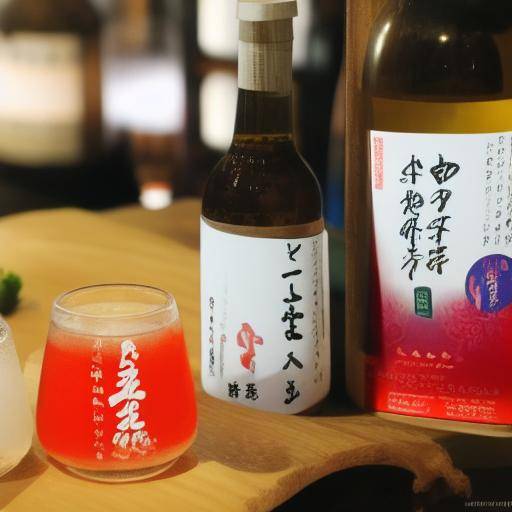
The sake, a millenary drink with deep cultural ties, represents the art and tradition of the Japanese people. Over the centuries, this delicious and aromatic drink has played a central role in Japanese culture, both in ceremonial celebrations and in everyday life. In this article, we will explore in depth the history and essence of sake, as well as its role in the arts and culture of Japan.
History and Background of the Sake
The sake, also known as "rice nectar", has its roots in Japan's ancestral history. His first documented evidence dates back to more than 2000 years, during the Yayoi period, when fermentation techniques began to evolve in the region. As Japanese society developed, sake acquired ceremonial and spiritual status, used in religious festivals and ancestral rituals.
The development of sake was closely linked to advances in rice technology and fermentation methods. It was during the Edo period that the foundations for large-scale sake production were established, becoming an intrinsic element of Japanese culture.
The sake became a form of art itself, with the mastery and precision required for its elaboration. The brewers, or "toji", played a central role in preserving traditional techniques, transmitting them from generation to generation. Over the centuries, sake became an expression of Japan's social and economic situation, reflecting the evolution and determination of the Japanese people.
Today, sake has transcended Japan's borders, gaining global recognition not only as an alcoholic beverage, but as a symbol of Japanese crafts and tradition.
Deep Sake Analysis
sake is not only a drink appreciated for its unique taste, but also has cultural and spiritual benefits. From its role in ceremonies to its presence in literature and art, sake has been a source of inspiration for artists and thinkers.
In addition, sake production has faced challenges and opportunities over time. With modernization, the sake industry has adopted new technologies and approaches to ensure their quality and preserve their authenticity. Despite this, sake has maintained its artisanal essence, making it a constantly evolving art.
Comprehensive Review of Sake, Art and Culture
The sake has not only been a drink to enjoy, but has influenced many aspects of Japanese culture. The relationship between sake, art and culture is profound and complex, extending to literature, painting, architecture and traditional artistic manifestations.
As for art, sake has been a recurring theme in the works of Japanese artists, serving as a symbolic and aesthetic element. On the other hand, sake has played a leading role in numerous ceremonies and festivals, enriching the country's cultural heritage.
Practical Tips and Accessible Recommendations
If you ever have the opportunity to enjoy sake, we recommend you respect and appreciate the cultural depth that this drink represents. Similarly, if you want to explore Japanese art and culture, sake is a perfect starting point to immerse yourself in the historical and aesthetic wealth of this country.
Conclusions and FAQs
In conclusion, sake is not only a drink, but an artistic and cultural manifestation that has left an indelible mark on the fabric of Japanese society. The history and tradition that surround it make it a fascinating phenomenon that deserves to be explored and appreciated.
PThe art of sake in Japan: history and tradition
Introduction
The sake is one of Japan's most emblematic drinks, with a rich history and a profound cultural significance. In this article, we will explore the evolution of sake over the centuries, its role in Japanese arts and culture, and offer a detailed look at this esteemed spirit drink.
History and Background of the Sake
The sake, known as "the drink of the gods", has its roots in ancient Japan, where rice was fermented to create an alcoholic beverage. Over the centuries, sake became the core of Japanese culture, used in religious ceremonies, festivals and special occasions. The elaboration of sake became a refined art, with master brewers who preserved ancestral techniques and transmitted their knowledge from generation to generation.
During the Edo period, sake experienced significant growth, becoming an integral part of Japanese daily life. Its importance in Japanese society was reflected in literature, visual arts and architecture. Today, sake remains a symbol of Japanese crafts and tradition, exporting its cultural legacy to the whole world.
Deep Sake Analysis
The sake goes beyond being a simple alcoholic drink, as it is rooted in Japanese spirituality and plays an important role in ceremonies and festivities. In addition, its production reflects the crafts and attention to detail associated with traditional practices in Japan. The sake processing process has seen innovations today, seeking to maintain a balance between the preservation of ancestral techniques and the incorporation of technological advances.
Comprehensive Review of Sake, Art and Culture
The sake has influenced not only Japanese tradition, but also artistic expressions. It has been a recurrent theme in literature and visual arts, as well as in traditional ceremonies where it has played a central role. This millenary drink has contributed significantly to Japan's cultural heritage and remains a symbol of Japanese aesthetics around the world.
Conclusions and FAQs
The sake is a true manifestation of Japanese art and culture, with a rich history that is reflected in every sip. This drink not only provides a sensory delight, but also opens a window to the depth and beauty of Japanese culture. Then we will address some frequent questions that arise when exploring the art and tradition of sake in Japan.
Frequently asked questions
- What is the cultural meaning of sake in Japan?
- What are the differences between sake and other alcoholic beverages?
- What is the importance of sake in Japanese ceremonies and holidays?
- What role does sake play in Japanese literature and visual arts?
- How is sake traditionally made and what are the stages of the production process?
- What is the relationship between sake, art and Japanese culture today?
We hope that this article has awakened your interest in the exciting world of sake, its art and its culture in Japan!