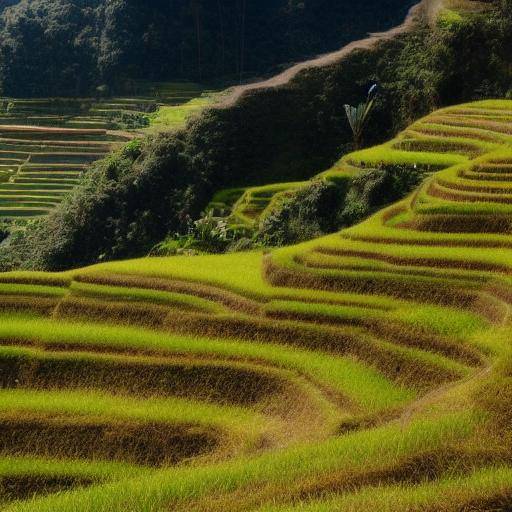
The Suzhou Gardens, located in the province of Jiangsu in China, are recognized worldwide for their landscape beauty and cultural importance. These traditional Chinese gardens have been a source of inspiration for artists, architects, and nature lovers for centuries. In this article, we will explore the art of landscape in the gardens of Suzhou, its deep connection with Chinese culture and its relevance in the contemporary world.
Introduction
The Suzhou Gardens are a treasure of the world heritage that exemplifies the mastery of Chinese landscaping. In this article, we will immerse ourselves in its history, analyze its impact on Chinese culture, examine its relevance today, and explore how this form of art has spread globally. Join us on this journey to discover the beauty and meaning behind the landscape in the gardens of Suzhou.
History and Background
The Suzhou Gardens have a rich history dating back over a thousand years. These gardens have witnessed the evolution of architecture, landscape design, and gardening techniques along different dynasties in China. From Han Dynasty to Qing Dynasty, the Suzhou Gardens have been a reflection of the philosophical and aesthetic beliefs of their creators.
Evolution of Landscape in the Suzhou Gardens
The origins of landscape in the Suzhou Gardens go back to ancient China, where the connection between nature and architecture was considered of great importance. Over the centuries, landscape teachers have perfected the art of combining natural elements, such as water, rocks, and plants, with architectural structures to create harmonious landscapes that reflect natural beauty. This approach has influenced the design of gardens and landscapes around the world, demonstrating the cultural significance of the Suzhou Gardens.
Cultural Importance and Spiritual Significance
The Suzhou Gardens are not only architectural wonders, but also testimonies of the rich Chinese culture. These gardens reflect the values and beliefs rooted in Chinese society, such as balance, harmony and connection with nature. In addition, the Suzhou Gardens have also been spaces for reflection, meditation, and artistic inspiration, providing a serene escape from the hustle and bustle of everyday life.
Global Preservation and Recognition
The cultural importance of the Suzhou Gardens has been recognized by UNESCO, which included them on the World Heritage List in 1997. This distinction not only highlights the beauty and meaning of these gardens, but also promotes their preservation and legacy for future generations. The global recognition of the Suzhou Gardens has led to greater interest and appreciation for the art of landscapes around the world.
Detailed Analysis
The art of landscape in the Suzhou Gardens is not only an aesthetic manifestation, but also a discipline that encompasses techniques, philosophies and values rooted in Chinese culture. It is important to analyze your current benefits, challenges and trends to better understand your relevance today.
Benefits of Landscape in the Suzhou Gardens
Landscape in the Suzhou Gardens offers a number of benefits, not only from an aesthetic perspective, but also from a functional and environmental perspective. Natural harmony created through landscaping can provide a relaxing environment, promote biodiversity, and help mitigate negative environmental impacts. In addition, interaction with nature in landscape environments can have positive effects on people's mental and emotional health.
###The Rest of Landscape in the Suzhou Gardens: Current Trends
Despite its rich historical legacy, the landscape in the Suzhou Gardens faces challenges in the modern era. Urban pressure, climate change and heritage conservation are critical issues that influence the practice of landscaping in these gardens. However, designers and conservationists have demonstrated a remarkable adaptive capacity, integrating sustainable technologies and innovative conservation methods to preserve the essence and beauty of landscapes in the Suzhou Gardens.
Full review
Landscaping in the Suzhou Gardens not only has deep historical roots, but also has a significant influence on current practice and the study of landscape design. Understanding your applications, best practices, and the current state of landscape provides a more comprehensive view of their impact and relevance in the current world.
Practical Applications of Landscape in the Suzhou Gardens
The art of landscape in the Suzhou Gardens is not limited only to a historical or cultural context, but also has practical applications in the design of contemporary landscapes. The harmonization of natural elements with urban architecture and design remains an inspiration for landscape architects around the world, influencing the development of parks, public spaces and sustainable urban environments.
Best Practices and Expert Reviews
The knowledge of best practices in landscaping has developed over centuries, being preserved and transmitted by generations of landscape teachers in Suzhou. The integration of tradition with innovation has allowed landscapes in the Suzhou Gardens to be a source of inspiration and a reference for contemporary landscape design. Landscape experts recognize the value of learning from traditions to inform current practices and emphasize the importance of sustainability and preservation in landscape design.
Comparative Analysis: Landscape, Suzhou and Culture
By comparing landscapes in the gardens of Suzhou with other forms of landscape in the world, it is evident that its unique approach to the connection between nature and spirituality distinguishes it as a landscape art of deep cultural significance. This specific approach is a manifestation of the Chinese worldview that values the harmonious relationship between human beings and nature, reflecting an approach that seeks harmonization with the natural environment rather than conquest or domination.
Practical Tips and Accessible Recommendations
If you want to incorporate the principles of Suzhou landscape into your own environment, here we offer you some practical advice and actionable recommendations to achieve harmony and beauty present in these exceptional gardens.
Fundamental Principles for the Design of Inspired Gardens in Suzhou
- Prioritizes natural harmony: It seeks to integrate natural elements organically, reflecting the balance and beauty of nature.
- Consider symbolism and meaning: It incorporates elements with cultural or spiritual meaning to enrich the landscape experience.
- Create a space for contemplation: Design areas that invite introspection and reflection, providing places of tranquility and serenity.
A Look at Industry and Expert Reviews
The practice of landscape in the Suzhou Gardens has influenced the field of landscape design worldwide. This impact is reflected through the voices of landscape experts, whose opinions and experiences offer a valuable perspective on the future of this form of art.
Reflections of Experts and Perspectives for the Future
Landscape experts recognize the lasting value of the principles and techniques used in the hustle gardens of Suzhou, highlighting their ability to inspire contemporary designs. The reflections of these experts also offer a vision of future trends in the field of landscape and the continuing role that the Suzhou Gardens will play as sources of inspiration and learning.
Case Studies and Practical Applications in Real Life
The principles of Suzhou landscaping, despite its historical roots, have demonstrated its relevance in modern practical applications. Real case studies show how the designs inspired by the Suzhou Gardens have been translated into contemporary environments, from urban parks to private gardens. These examples illustrate how the essence of Suzhou's landscape can adapt to various situations and environments, highlighting its versatility and timeliness.
Future Trends and Predictions
As landscaping continues to evolve, emerging trends are visible that align with the foundational principles of landscape art in the Suzhou Gardens. This analysis of future trends and predictions provides valuable information on the continuing role of the Suzhou Gardens in the global landscape design panorama.
Incorporation of Tradition in Modern Designs
The tendency to incorporate traditional elements and design philosophies of the Suzhou landscape into contemporary contexts represents a movement towards the preservation and appreciation of cultural heritage. This trend reflects a desire to keep alive the traditions and values rooted in the landscape of Suzhou, even in a constantly changing modern world.
Focus on Sustainability and Resilience
The growing awareness of the importance of sustainability and resilience in landscape design is influencing landscape practice, including the emblematic principles of the Suzhou Gardens. This trend reflects an emphasis on harmonization with nature and adaptation to environmental challenges, fundamental values in traditional Chinese landscapes.
Conclusion
The art of landscaping in the Suzhou Gardens is not only an aesthetic manifestation, but a living testimony of the rich Chinese culture and a legacy that continues to inspire and enrich the world of landscape design. The combination of natural elements with a sophisticated architectural aesthetic, in harmony with spiritual and philosophical principles, makes the Suzhou Gardens an invaluable treasure for humanity. Its meaning transcends borders and times, ensuring its relevance and validity in the future.
FAQs
What is the importance of Suzhou gardens in Chinese culture?
The Suzhou Gardens are highly valued in Chinese culture by their ability to reflect the harmony between human beings and nature, as well as their influence on Chinese aesthetics and traditional philosophy.
What difference does Suzhou’s gardens make to landscapes in other places in the world?
The Suzhou Gardens are distinguished by their focus on harmonious integration of natural and architectural elements, rooted in Chinese philosophical and spiritual principles.
How can I apply the principles of Suzhou landscape in my own environment?
You can incorporate the principles of Suzhou landscape by harmonizing natural elements, considering cultural symbolism, and creating spaces for contemplation and meditation.
What challenges do landscapes face in the gardens of Suzhou today?
Landscaping in the Suzhou Gardens faces challenges linked to urban pressure, climate change, and heritage conservation, which require careful adaptation and conservation.
Why are the Suzhou Gardens important worldwide?
The Suzhou Gardens are important worldwide for their lasting influence on landscape design, their recognition as UNESCO World Heritage, and their ability to inspire harmony between nature and culture.
What are the future trends of landscapes related to the Suzhou Gardens?
Future landscape trends include the incorporation of tradition into modern designs, the focus on sustainability and resilience, and the preservation of the essence of Suzhou landscape in a contemporary context.
This concludes our exploration of landscape art in the Suzhou Gardens, immersed us in its history, cultural meaning, contemporary applications, and reflections on its future. The Suzhou Gardens remain an inexhaustible source of inspiration and learning, demonstrating the timeliness and transcendence of landscape art in Chinese culture and in the world of landscape design.