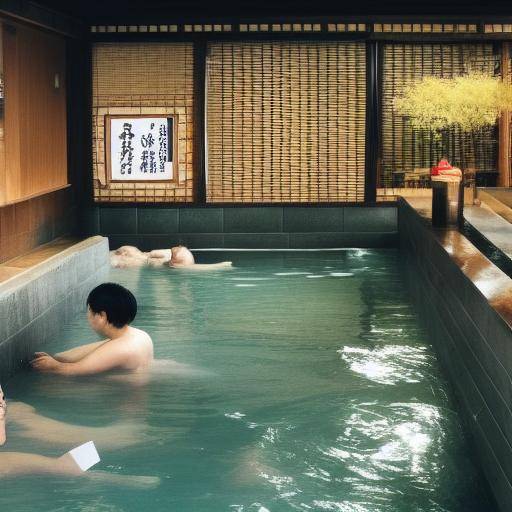
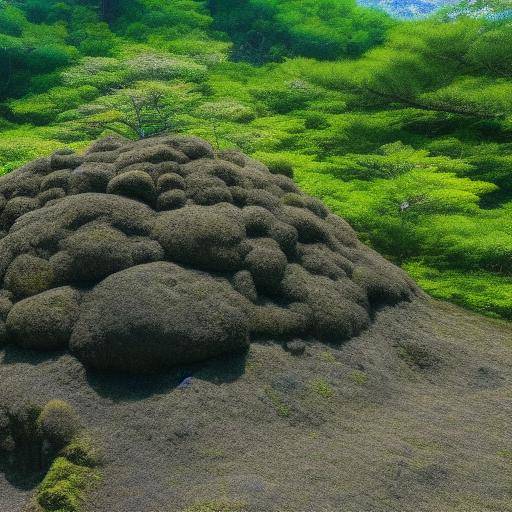
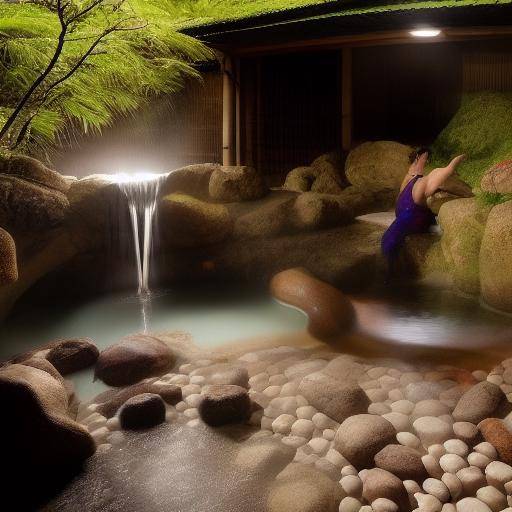
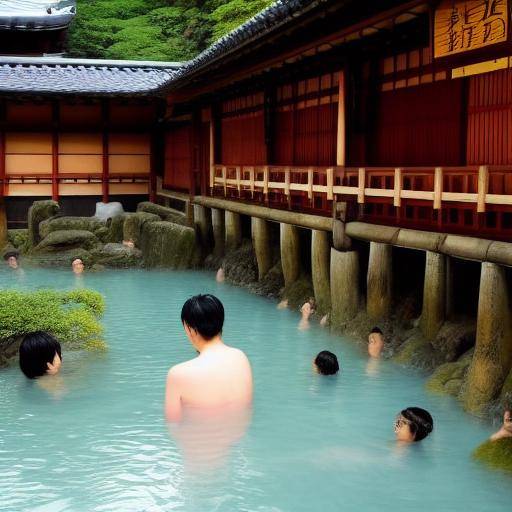
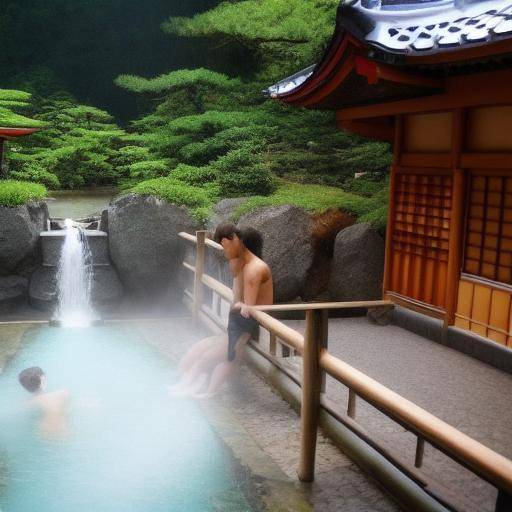
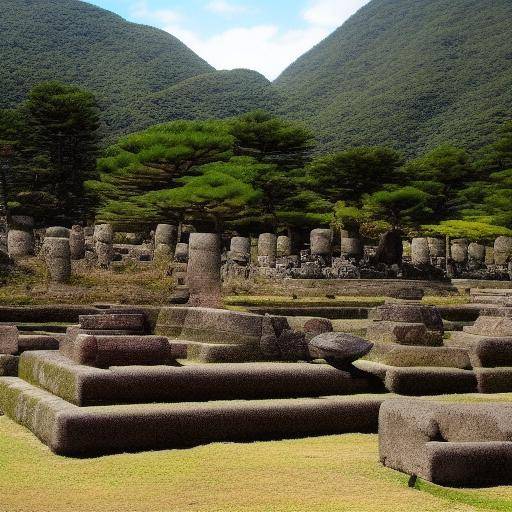
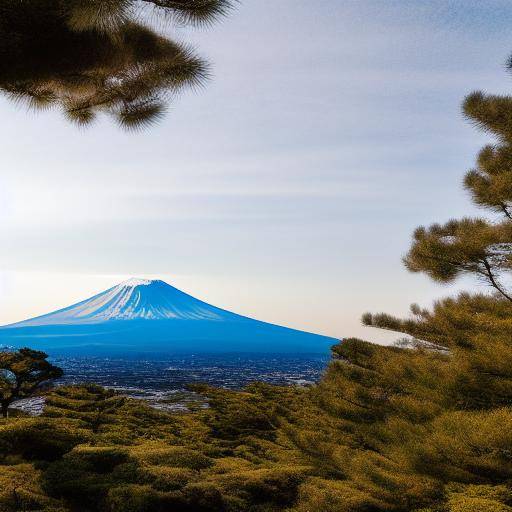
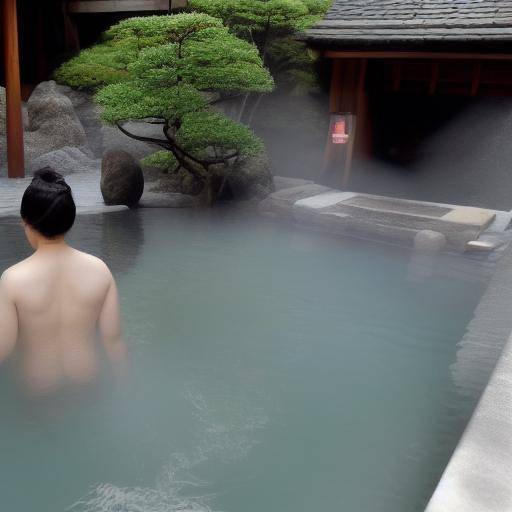
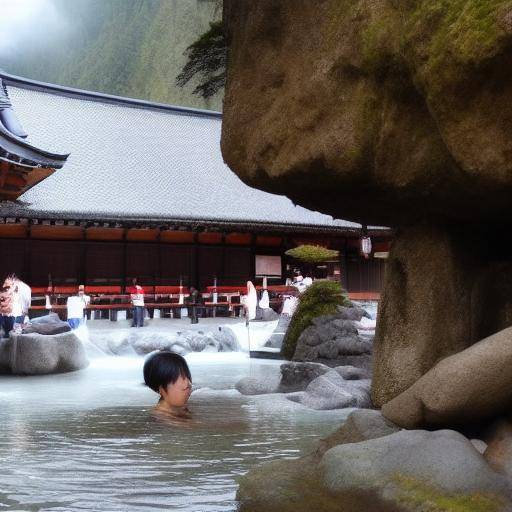
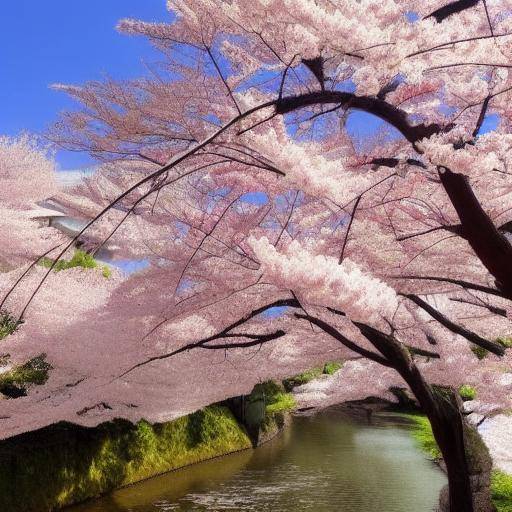
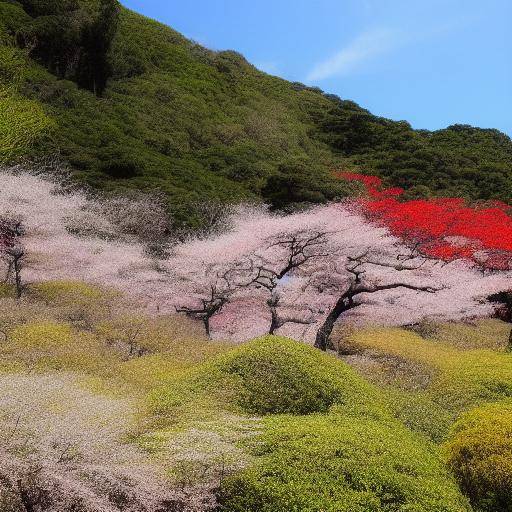
Japanese landscaping is recognized worldwide for its unique beauty and serenity. This ancient art form has evolved over the centuries and left an indelible mark on Japanese culture. In this article, we will explore the history, philosophy and influence of Japanese landscaping, as well as its impact on Japan's culture. In addition, we will analyze how this tradition has endured over time and influenced landscape design today.
Introduction
Japanese landscaping is much more than just gardening; it is an art that seeks to represent the beauty of nature styling, balanced and harmoniously. Over the centuries, this form of art has influenced Japanese culture, architecture, gardening and spirituality.
History and Background
Japanese landscaping dates back to the sixth century, when the concept of gardens was introduced into Buddhist temples. These gardens evolved over time, merging Chinese influences with the natural attributes of the Japanese landscape. During the Edo period, landscaping gained significant importance in popular culture, reflecting the teachings of Zen Buddhism and the concept of wabi-sabi, which values the beauty of the imperfect and the ephemeral.
The twentieth century saw a redefinition of Japanese landscaping with modern and Western influences that led him to a new era of creativity and experimentation. Today, Japanese landscaping remains a form of artistic expression and a powerful manifestation of Japanese spirituality.
Detailed Analysis
The Japanese landscape has influenced the design of Zen gardens, known for its meditative characteristics and minimalism. In addition, it has inspired landscape design around the world, merging natural elements with oriental design principles. Although the tradition of Japanese landscaping continues to flourish, it also faces challenges in the modern era, such as the preservation of green spaces in densely populated urban environments.
Japanese landscaping offers a unique view of the relationship between human beings and nature, emphasizing harmony, simplicity and respect for the natural environment. These principles have created a lasting impact on the perception of beauty and aesthetics in Japan and beyond.
Comprehensive review
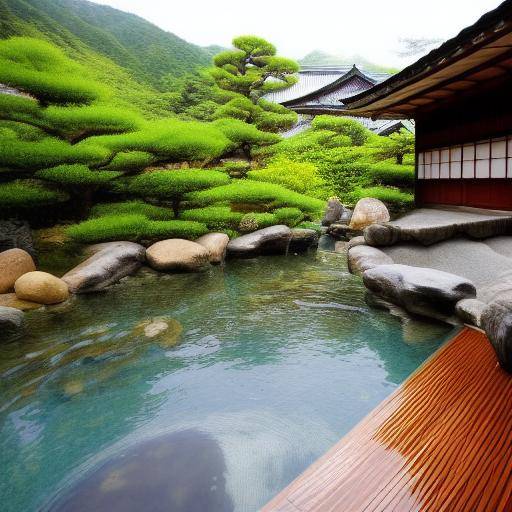
Japanese landscaping is manifested in different forms, such as karesansui (dry wilds), tsukiyama ( hill gardens) and chaniwa (tea garden). Each of these styles offers a unique perspective of the relationship between man and nature, merging landscape and architectural elements harmoniously.
Beyond its aesthetic aspect, the Japanese landscape has also influenced urban planning, architecture and interior design in Japan. This influence is reflected in the incorporation of natural elements and the promotion of green spaces within urban environments, which contributes significantly to the quality of life of its inhabitants.
Comparative analysis
By comparing Japanese landscape with other forms of gardening and landscape design in the world, significant differences are highlighted. While in the West it tends to dominate symmetry and geometry, the Japanese landscape seeks asymmetry and controlled improvisation. This distinction highlights the influence of spirituality and Eastern philosophy in the art of Japanese landscape.
Practical Tips and Accessible Tips
If you are looking to incorporate the aesthetics of Japanese landscaping into your own green spaces, consider adopting natural elements such as stones, mosses and water, as well as creating spaces that encourage contemplation and meditation. Simplicity and harmony are key to capturing the essence of Japanese landscaping in your own environment.
In designing a garden inspired by Japanese landscape, it is crucial to consider the interaction between the different elements and create an experience that invites reflection and serene enjoyment of nature. The choice of plants, the disposition of rocks and the creation of curved paths are essential elements to achieve the authenticity of the design.
Industry ideas and Expert Reviews
Experts in landscapes and urban design are increasingly interested in incorporating the principles of Japanese landscaping into their projects. The influence of this form of art extends beyond aesthetics, impacting on sustainability and human well-being in urban and rural settings.
There has been an increase in the demand of certified designers and architects in Japanese landscaping, indicating a growing interest in the principles and techniques associated with this form of art. The combination of centuries-old traditions with contemporary innovation offers new perspectives for landscape design in the modern world.
Case Studies and Real Life Applications
Various landscape design projects around the world have incorporated elements of the Japanese landscape to create spaces that inspire calm and contemplation. From botanical gardens to public spaces, the influence of Japanese landscaping has manifested in diverse and creative ways in different cultural contexts.
A notable example is the Japanese garden of the Portland Botanical Garden in Oregon, USA, which has been designed following the principles of Japanese landscaping, offering visitors the experience of serenity and connection with nature. This type of project demonstrates the versatility and timeliness of Japanese landscaping in contemporary design.
Future Trends and Predictions
As awareness of the importance of nature in urban environments continues to grow, the influence of Japanese landscaping is expected to expand further. This form of art offers a unique vision of how human interaction with nature can be balanced, peaceful and deeply meaningful.
The integration of spirituality, sustainability and the timeless aesthetics of Japanese landscaping will continue to be a source of inspiration for designers, architects and landscapers around the world. The lasting impact of this tradition reminds us of the importance of honoring and preserving the beauty of nature in our daily lives.
Conclusion
Japanese landscaping is an art rooted in Japan's rich history and philosophy, which continues to inspire and elevate the way we perceive beauty and harmony in the natural environment. Through its influence on culture, landscape design and spirituality, Japanese landscaping has transcended geographical and temporal borders, leaving a lasting mark on global aesthetics.
Frequently asked questions
What are the fundamental principles of Japanese landscaping?
The Japanese landscape is based on the creation of harmony with nature, the appreciation of simplicity and serene contemplation. Key elements include the integration of rocks, water, plants and empty spaces to create an aesthetically and spiritually meaningful experience.
How do Japanese gardens differ from Western gardens?
Japanese gardens tend to value asymmetry, controlled imperfection and connection with spirituality, while Western gardens tend to seek symmetry, ordination and formal structure.
What is the role of Japanese landscape in urban architecture and design?
The Japanese landscape has influenced the integration of green spaces and natural elements into urban environments, contributing to the creation of more sustainable and aesthetically enriching environments.
How can you incorporate the aesthetics of Japanese landscape into a personal garden?
The incorporation of natural elements such as rocks, moss and native plants, the creation of winding paths and the careful disposition of empty spaces are some ways to capture the essence of Japanese landscaping in a personal garden.
What are some of the most famous Japanese gardens in the world?
Examples of famous Japanese gardens include the Kenrokuen Garden in Kanazawa, the Ryoan-ji Garden in Kyoto and the Adachi Museum of Art Garden in Shimane.
What impact does Japanese landscaping have on spirituality?
The Japanese landscape seeks to foster introspection, calm and a deep connection with nature, thus offering a spiritually enriching experience.
What is the importance of Japanese landscape in the modern context?
In the modern context, Japanese landscapes offer a valuable perspective on the reconciliation between urban life and nature, promoting the importance of green spaces and aesthetic harmony.
To conclude
Japanese landscaping is an art that transcends cultural and temporal borders, offering a unique vision of beauty, harmony and connection with nature. Its lasting influence on culture, landscape design and spirituality makes it an invaluable legacy that continues to inspire and elevate our environment.