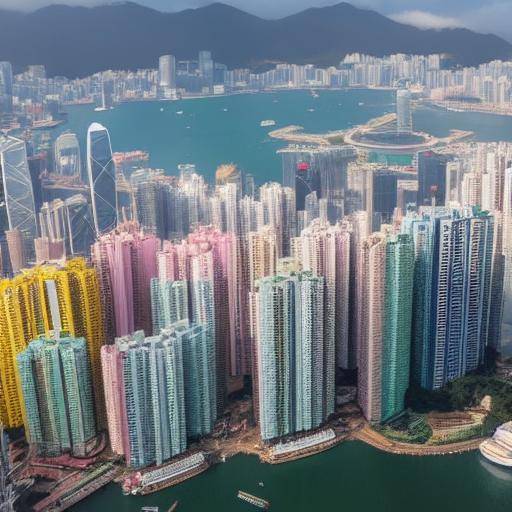
Chinatown, a neighborhood with a rich history and unique aesthetic that distinguishes it, has captured the imagination of many, both local and tourist. The mix of art and architecture in Chinatown is a visual manifestation of the cultural identity and rich heritage of the Chinese community in different parts of the world. From building construction to colorful artworks, Chinatown is a treasure that deserves to be explored. This visual tour will take you through the extraordinary fusion of art, architecture and culture that defines Chinatown.
History and evolution
History of Chinatown
The origin of Chinatowns dates back to the nineteenth and twentieth centuries, when they were established as enclaves of Chinese immigrants in different cities of the world. These enclaves emerged as a result of discrimination and restrictions imposed on Chinese immigrants, who found refuge and solidarity in these communities. Over the years, Chinatown has evolved to become a vibrant cultural and economic centre, maintaining its historical essence and contributing to the diversity of cities where they are located.
Influence in art and architecture
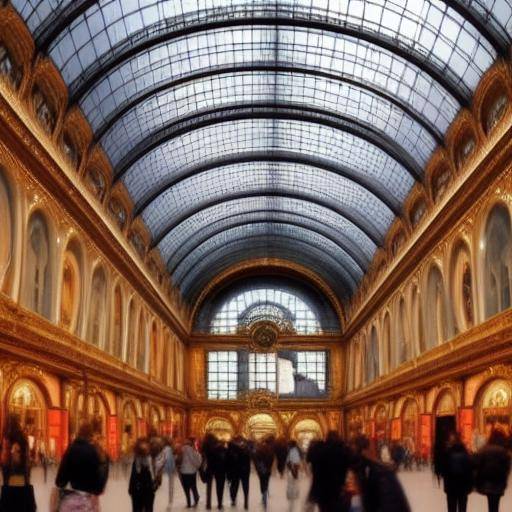
The Chinese influence on the art and architecture of Chinatown is evident in every corner. The buildings show traditional architectural elements such as curved ceilings, doors with intricate details and bright colored facades. Moreover, street art, sculptures and decorations of trades reflect the rich history and Chinese traditions. The integration of these elements into the urban landscape creates a captivating visual experience that invites to understand and appreciate Chinese culture.
Celebration of culture through art
Art in Chinatown is a way to preserve and celebrate Chinese culture. From festivals featuring traditional dances and music to art galleries featuring contemporary works, art is a vital expression of Chinese identity. These artistic manifestations not only enrich the cultural spectrum of Chinatown, but also encourage intercultural understanding and dialogue between the Chinese community and the rest of the world.
In-depth analysis
Current challenges and opportunities
Despite the cultural wealth offered by Chinatown, it faces challenges such as gentrification, which threatens to characterize the neighborhood and undermine its authenticity. However, there are also opportunities to revitalize art and architecture through renovation projects that incorporate traditional Chinese design elements, thus preserving the unique identity of Chinatown.
Synergies between art and architecture
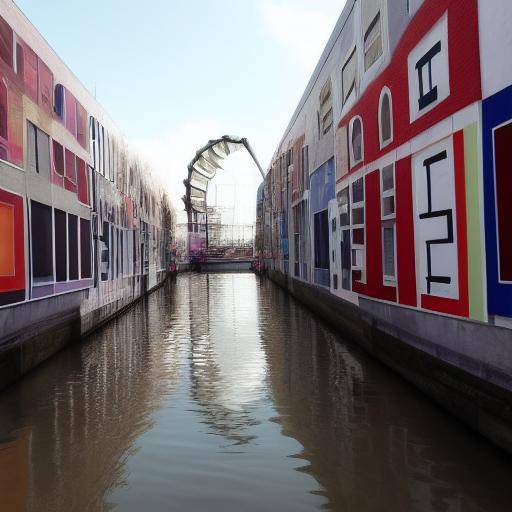
Art and architecture in Chinatown are intertwined in a surprising way, creating a cohesive visual experience that goes beyond aesthetics. The preservation of traditional Chinese architecture in historical buildings serves as a canvas for contemporary artistic expression, which demonstrates a harmonious fusion between the old and the modern.
Multiple perspectives
The art and architecture of Chinatown offer a platform for the expression of diverse perspectives and narratives. Through artistic interpretation and reinterpretation of architectural elements, dialogues are generated that transcend borders, connecting cultures and enriching the social fabric of Chinatown.
Economic and social benefits
Art and architecture not only add aesthetic value to Chinatown, but also generate economic benefits by attracting tourists and fostering the development of small businesses. In addition, these cultural expressions strengthen the sense of community and pride among the residents of Chinatown, contributing to their well-being and social cohesion.
Comparative analysis
Similarities and differences
By comparing Chinatown with other urban areas, similarities are evident in the preservation of culture through art and architecture. However, the uniqueness of Chinatown lies in the way Chinese traditions are merged with contemporary urban aesthetics, creating a visually captivating and unique environment.
Synergy potential
The art and architecture of Chinatown have significant synergistic potential, as both elements complement and mutually enhance the aesthetic experience. This harmonious integration contributes to strengthening the cultural identity of Chinatown and promoting the understanding and appreciation of Chinese culture in a contemporary and globalized context.
Practical advice and recommendations
- Explore the art galleries: Visit the local art galleries in Chinatown to appreciate a wide range of artistic expressions that capture the essence of Chinese culture.
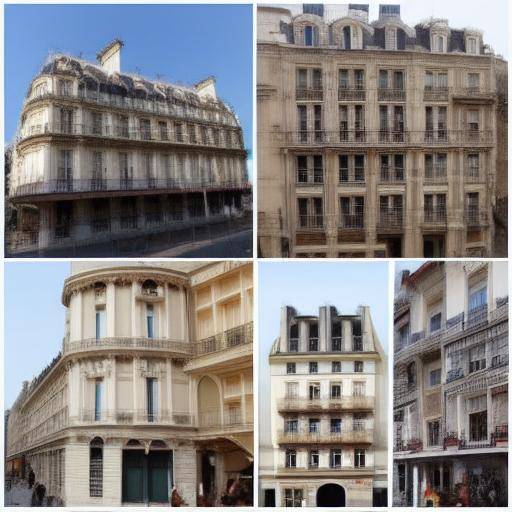
- Walk the historic buildings: Dedicates time to stroll through the streets of Chinatown and observe traditional Chinese architecture along with modern influences.
- Participate in cultural events: Take advantage of the opportunity to attend festivals, exhibitions and cultural events that highlight the art and architecture of Chinatown.
Industry perspectives and expert opinions
Experts on urban design highlight the importance of preserving the architectural authenticity of Chinatown to maintain its uniqueness in the contemporary urban landscape. They also recognize the value of art in promoting cultural identity and community cohesion in Chinatown.
Case studies and practical applications
Sustainable architectural renewal
One notable case is the renovation of historic buildings in Chinatown, where the integration of traditional architectural elements with sustainable technologies has been prioritized, thus achieving an innovative combination of cultural heritage and environmental responsibility.
Future trends and predictions
Innovation in urban art
The growing trend of integrating contemporary urban art with traditional Chinese motifs and techniques promises to influence the aesthetic evolution of Chinatown, providing opportunities for creative experimentation and cultural renewal.
Conclusions and FAQs
Conclusion
In conclusion, the art and architecture of Chinatown are vital elements that enrich the Chinese cultural heritage and make up a unique visual appeal in the contemporary urban landscape. The preservation and continued development of these artistic expressions are essential for promoting diversity, inclusion and intercultural appreciation in Chinatown and beyond.
Frequently asked questions
1. What is the role of the feng shui in Chinatown architecture?
Chinatown architecture often incorporates feng shui principles to harmonize the environment built with natural forces, thus fostering a positive and balanced energy in urban spaces.
2. What are the influences of contemporary art in Chinatown?
Contemporary art in Chinatown reflects a diversity of influences ranging from Chinese traditions to global artistic movements, creating a unique visual mosaic that reflects cultural interconnection in the modern era.
3. How can local artists be supported in Chinatown?
Supporting local artists in Chinatown involves participating in artistic events, acquiring works of art and promoting financing programs for creative projects that enrich the local artistic landscape.
4. What are the current challenges in preserving the architectural heritage in Chinatown?
Gentrification and the pressure of urban development represent significant challenges in the preservation of Chinatown's architectural heritage, requiring urban planning and community management strategies to address these concerns.
5. What are the signs of the future evolution of art and architecture in Chinatown?
Signs of the future evolution of art and architecture in Chinatown include emerging trends in urban art, transversal collaborations between local and global artists, and a renewed approach to integrating forms of artistic expression with sustainable architectural practices.
6. How have cultural heritage conservation policies influenced the development of Chinatown?
Cultural heritage conservation policies have played a crucial role in promoting the maintenance and revitalization of Chinatown ' s architectural and artistic heritage, thus preserving its uniqueness in the modern urban context.