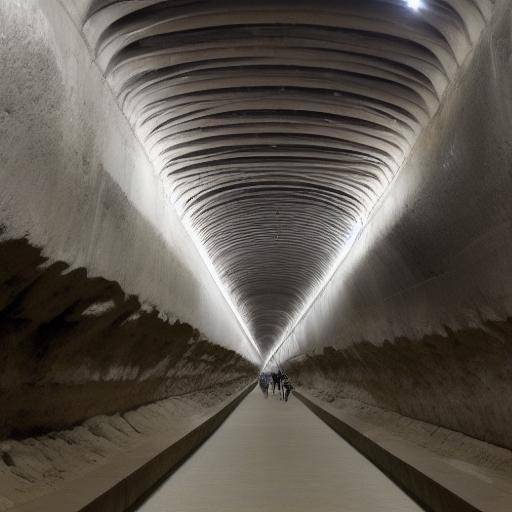
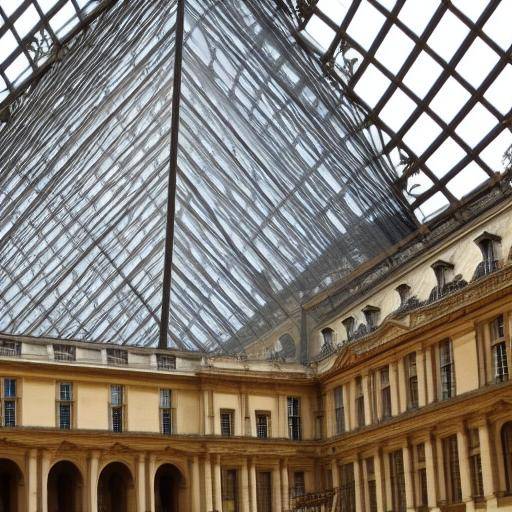
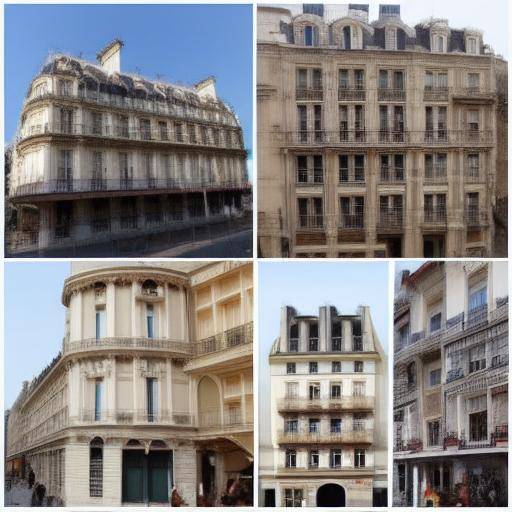
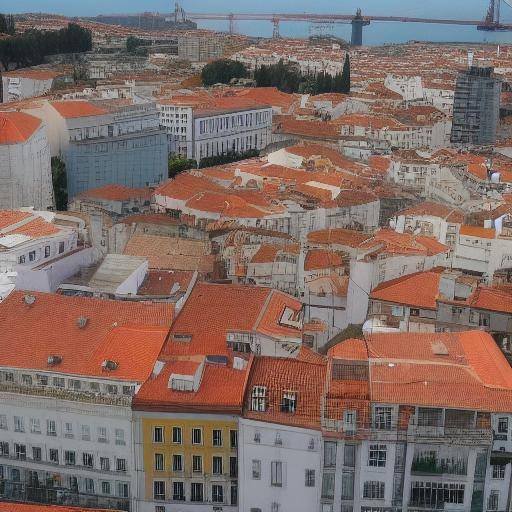
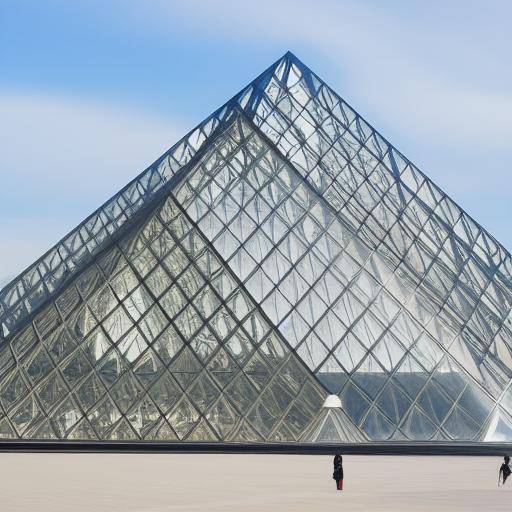
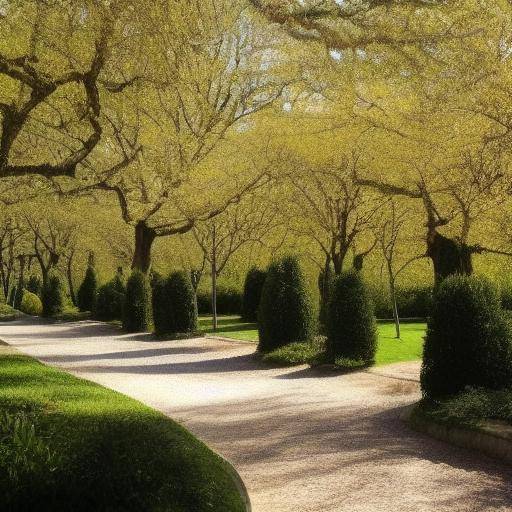
The architecture of Versailles is an outstanding example of the splendour and grandeur that characterize France. This visual tour of the architectural wonders of Versailles will immerse you in the rich history, the splendid architecture and majesty of this iconic place. Throughout this article, you will discover the historical origins, the distinctive architectural features, as well as their connections to the culture and politics of France. Prepare to embark on a journey through the opulent corridors, majestic gardens and exquisite architectural forms that make Versailles a jewel of art and history.
Introduction
A Imprescindible Destination
Versailles, with its rich history and amazing architecture, is a destination that captivates millions of visitors every year. This city located on the outskirts of Paris houses the iconic Palace of Versailles, an architectural masterpiece that symbolizes the opulence and splendor of the French monarchy. Established as a World Heritage Site by UNESCO, Versailles is a living testimony of the artistic and cultural grandeur of France, as well as its historical significance.
In this visual journey, we will explore the architectural evolution of Versailles, from its humble beginnings to become the magnificent complex that is today. As we unravel its architectural secrets, we will immerse ourselves in the history that has shaped this spectacular place and we will discover why it remains a source of inspiration for artists, architects and history lovers around the world.
History and Background
Versailles, with its imposing palace and extensive gardens, has its roots in the seventeenth century, when Louis XIV decided to move the royal court from Paris to this location. The Palace of Versailles became the epicenter of real power and symbolized the apogee of monarchical absolutism in France. This relocation not only transformed the architecture of Versailles, but also left an indelible mark in the history of France and Europe.
The Queen of Louis XIV and the Architecture of Versailles
Louis XIV, known as the Sun King, commissioned the building of the palace in 1661 to the architect Louis Le Vau, who designed the central core of the building. Subsequently, Jules Hardouin-Mansart assumed the role of main architect and supervised the expansion of the palace, adding the north and south wings, as well as the impressive Gallery of Mirrors. The magnificence and grandeur of Versailles' architecture served as an element of affirmation of the power and greatness of the French kingdom.
French Revolution and Legacytonic
The French Revolution, which broke out in 1789, marked the end of the monarchical era in France and had a significant impact on Versailles. The palace, formerly a symbol of real opulence, witnessed key events during this tumultuous period. Versailles' architecture witnessed the transformation of a system of government and experienced multiple uses, from being a royal palace to a legislative headquarters.
Detailed Analysis
Architecture: Beauty and Elegance
Versailles architecture is an amalgam of styles that spans from the Baroque to Neoclasicism. The palace itself is an impressive display of architectural elegance, with ornamental elements, splendid facades and a symmetrical distribution that distinguishes it as a masterpiece of European architecture. The gardens designed by André Le Nôtre are an outstanding example of landscape perspective and formal planning, creating a visual symphony that complements the architecture of the palace with its lush splendour.
Cultural Influences and Policies
The architecture of Versailles not only reflects the technical and aesthetic skill of its creators, but also encapsulates the cultural and political influences of its time. The architectural splendor of the palace not only sought to impress the visitors, but also sought to affirm the power and grandeur of the reign of Louis XIV. The artistic and symbolic representations in the architecture of Versailles served as a means of projecting the image of the French monarchy and its influence in Europe.
Full review
Contemporary Relevance
The architecture of Versailles remains a source of inspiration for contemporary architects and designers. His focus on grandeur, symmetry and integration with nature has left a lasting legacy in landscape architecture and design. In addition, the adaptation of spaces for multiple uses, from official ceremonies to cultural events, offers valuable lessons for contemporary architectural design.
Conservation Challenges
The maintenance and preservation of Versailles architecture present unique challenges due to its size, historical relevance and the constant flow of visitors. The preservation of architectural integrity, while ensuring accessibility and security, requires a meticulous approach that balances conservation with contemporary needs.
Current Trends and Futures
Versailles architecture not only offers a window to the past, but also raises questions about the future of architectural design and heritage conservation. Sustainable approaches, technological integration and careful preservation will be crucial for the future of emblematic architectural sites such as Versailles.
Comparative analysis
Versailles and Other Archaeological Wonders
By comparing the architecture of Versailles with other architectural wonders, such as the Buckingham Palace in London or the Kremlin in Moscow, the stylistic differences and distinctive cultural influence stand out. While Versailles seeks to impress with its formal splendor and landscaped gardens, other palaces and emblematic buildings reflect the architectural and cultural diversity of their respective countries.
Architecture in France and the World
The architecture of Versailles is an outstanding reflection of France's rich architectural tradition, ranging from classical grandeur to contemporary innovation. French contributions to architecture, such as the iconic Eiffel Tower or the Louvre, have left an indelible mark on the global architectural field, showing France's lasting influence on design and construction.
Practical Tips and Accessible Tips
Discovering Versailles: Tips for Visitors
- Plan with Anticipation: Due to the popularity of Versailles, it is advisable to book tickets in advance to avoid long rows.
- Explore the Gardens: The extensive gardens of Versailles offer an impressive visual spectacle worth exploring calmly.
- Guided Tours: Consider a guided tour to get a rich perspective on the history and architecture of Versailles.
- Visiting hours: Avoid crowds visiting early in the morning or during closing hours.
- Attention to the Details: Take your time to appreciate the architectural details and sculptures that adorn the palace.
Industrial Perspectives and Expert Reviews
Cultural and Tourist Impact
According to the French historical architect, Pierre Dubois, "Versailles architecture is a testament to the skill of the artisan teachers and a lasting reminder of the splendour of European art in the apogee of the French monarchy. Its impact on cultural tourism cannot be underestimated, as it attracts visitors from all over the world eager to immerse themselves in the grandeur of the past."
Case Studies and Real Life Applications
Reuse of Historic Spaces
The adaptation of historical spaces such as Versailles for contemporary events offers unique opportunities to merge the architectural legacy with modern cultural expressions. Events such as art exhibitions, concerts and new shows demonstrate the potential of these spaces to transcend their original function and revitalize the connection between historical architecture and contemporary creativity.
Restoration and Conservation
The meticulous process of restoration and conservation of Versailles involves a variety of experts, from architects to art preservatives. The care and sensitivity required to preserve architectural integrity and historical authenticity provide valuable knowledge of conservation and restoration techniques used in heritage sites.
Future Trends and Predictions
Innovation in Preservation
The advance of technology, such as virtual reality and 3D printing, is presented as innovative tools for the preservation and dissemination of architectural heritage. These technologies offer opportunities to experience historical architecture in a completely new way, while allowing detailed documentation for long-term conservation.
Sustainable adaptation
Sustainability has become a central focus on the preservation and management of architectural sites. The integration of renewable energy systems, environmental management practices and the minimization of the ecological footprint become increasingly important to ensure that the historic architecture, including that of Versailles, is preserved for future generations.
Conclusion
In short, the architecture of Versailles is a unique monument that encapsulates the greatness of the French monarchy and the artistic and architectural excellence of its time. From its historical origins to its contemporary relevance, Versailles continues to amaze visitors and warning about the power of creativity and architectural vision. Whether for its architectural beauty, its cultural influence or its historical legacy, Versailles remains a beacon of inspiration and astonishment, reminding us of the magnificent architecture in its most sublime form.
Frequently asked questions
What is the historical importance of the architecture of Versailles?
Versailles' architecture is of incalculable importance, as it symbolizes the apogee of monarchical power in France and represents an era of artistic and cultural splendour that has left an indelible mark in European history.
Why is the Palace of Versailles so famous?
The Palace of Versailles is famous for its opulence, exquisite gardens and its connection to the monarchical history of France. Its architectural beauty and historical importance make it an emblematic tourist destination.
How can I visit Versailles efficiently?
It is recommended to book tickets in advance, plan the visit to avoid peak hours and consider a guided tour to get a more complete understanding of the architecture and the history of Versailles.
What impact does Versailles architecture have on contemporary design?
Versailles architecture continues to be a source of inspiration for contemporary design, influencing trends in the use of space, integration with nature and the search for grandeur in architecture.
What are the current challenges in preserving the architecture of Versailles?
Conservation challenges include managing the flow of tourists, preserving architectural integrity and implementing sustainable practices to ensure long-term conservation.
What is the role of Versailles' architecture in France's cultural identity?
The architecture of Versailles, with its splendour and historical legacy, plays a crucial role in the cultural identity of France, serving as a lasting symbol of the art, architecture and cultural grandeur of the country.
With these frequent questions, we hope to have addressed your concerns and consolidated your understanding of the magnificent architecture of Versailles.
There is no doubt that the architecture of Versailles is a wonder that transcends time and space, leaving a lasting impression on those who have the privilege of contemplating it. Its historical legacy, its cultural influence and its impact on contemporary design make it an architectural treasure that deserves to be appreciated and celebrated. That this visual exploration has carried you through the corridors and gardens of Versailles, awakening in you a greater appreciation for the architectural majesty that defines this jewel of France.