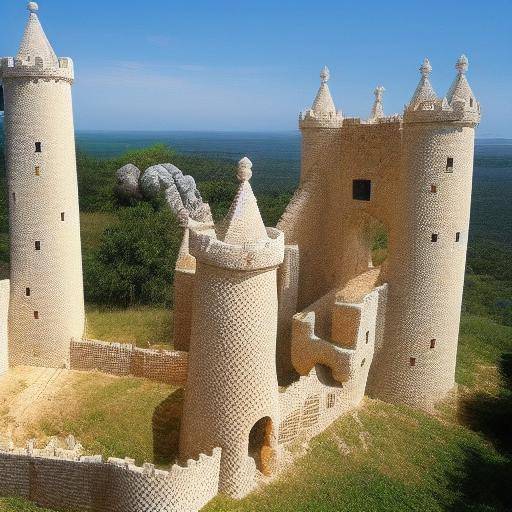
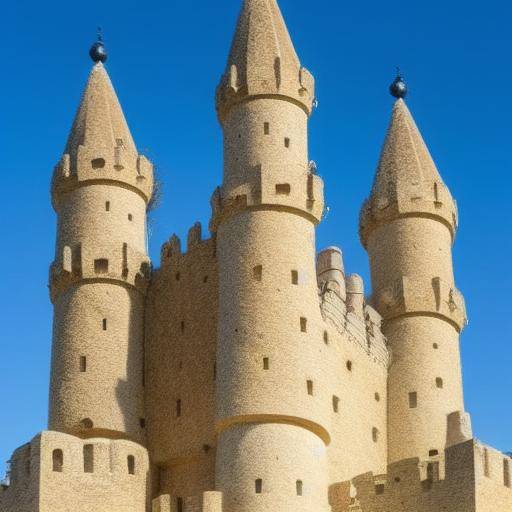
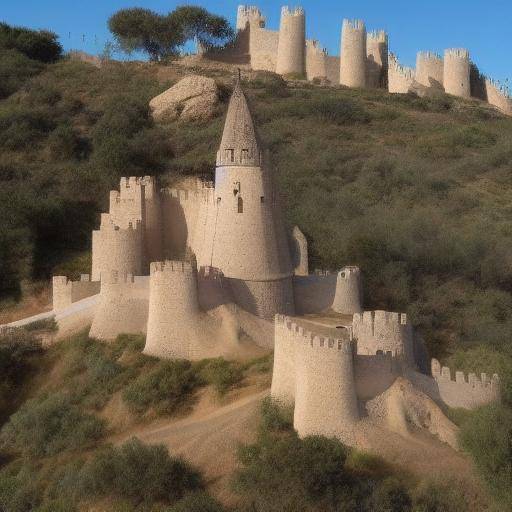
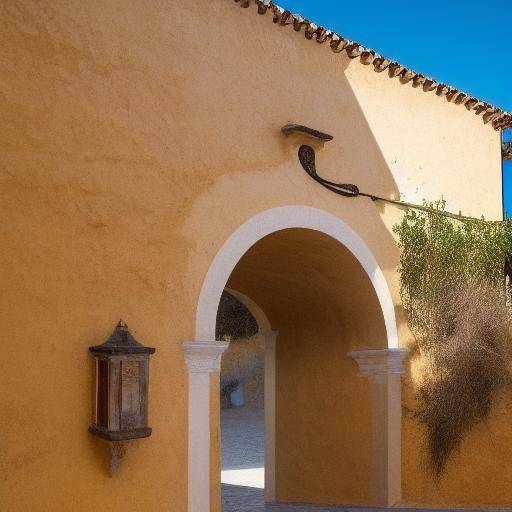
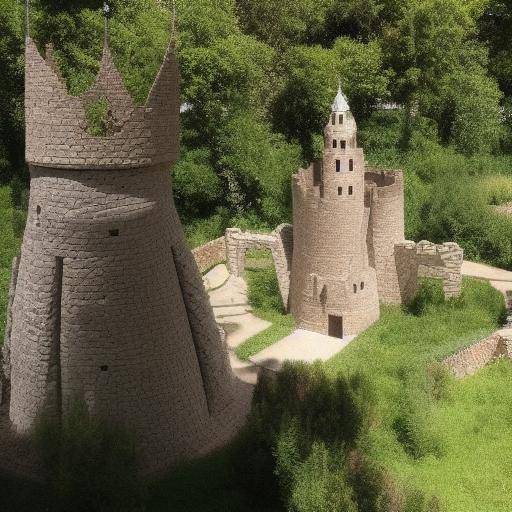
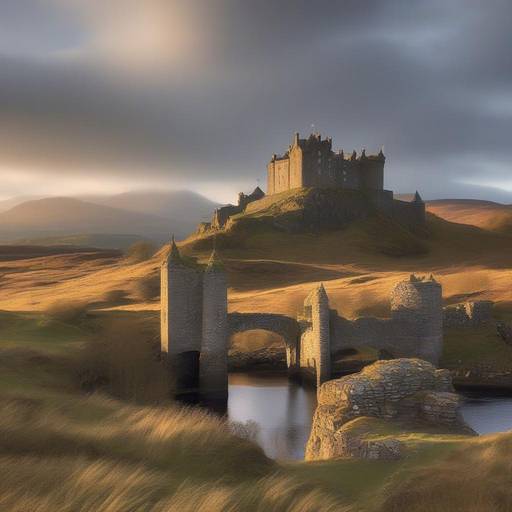
Renaissance castles represent not only a show of great architecture, but also a fascinating meeting point between aesthetic beauty, engineering and history. In this article, we will thoroughly explore the architectural wonders of Renaissance castles, their historical relevance, distinctive features, cultural influences and their impact on the modern era. We will discover how these venerable structures have resisted the passage of time to inspire and astonish entire generations.
Introduction
The Renaissance architecture, characterized by its elegance, harmonious proportions and detailed ornamentation, led to the construction of majestic castles that reflect the cultural wealth and political power of the time. Through a journey through the history, design and influence of these Renaissance fortresses, we will deepen its lasting legacy and its impact on contemporary society.
History and background
The Renaissance castles, which emerged in Europe between the 15th and 16th centuries, marked a significant change in military and civil architecture. Inspired by classical art and philosophy, the architects of the time strived to create structures that embody the Renaissance ideals of balance, symmetry and beauty. This period of cultural and artistic revival led to a revival of taste for grandeur and aesthetics in the construction of castles.
During the Middle Ages, the castles performed mainly defensive functions, but the Renaissance opened a new panorama, expanding the purpose of these structures to also serve as symbols of social prestige and prosperity. In addition, the Renaissance architecture incorporated advances in engineering and design that allowed the construction of castles with more aesthetic features, such as domes, columns and decorative murals.
In-depth analysis
The Renaissance period led to a decisive evolution in the conception and construction of castles, opening the doors to creativity and aesthetic perfection. These architectural monuments are characterized by an impressive fusion of defensive elements and artistic details, achieving a unique balance between functionality and beauty. The symmetrical design and harmony of proportions reflect the search for perfection that guided the Renaissance architects.
Beyond its aesthetic splendor, Renaissance castles also played a crucial role in the social and political context of the time. They were centers of power and authority, symbols of the supremacy of the nobility and clergy, and testified to the artistic and technical flourishing that characterized the Renaissance.
Comprehensive review
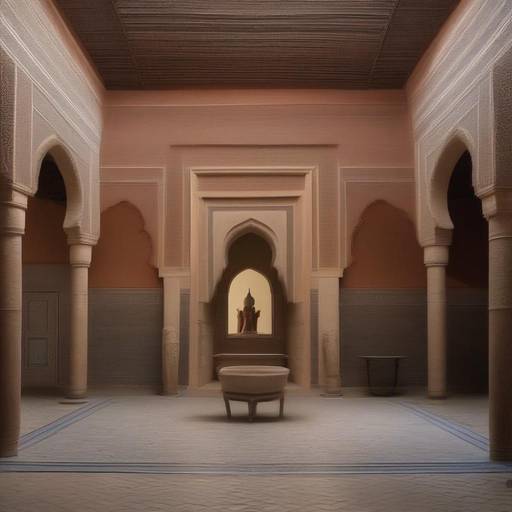
The influence of Renaissance castles transcended its historical context, leaving a lasting legacy in architecture and art. Its distinctive elements, such as half-point arch windows, ornamented interior patios and symmetrical facades, continue to inspire architects and designers to this day, being an inexhaustible source of inspiration for new architectural creations.
The Renaissance castles represent a tangible testimony of the innovative spirit and creative ambition that characterized the Renaissance, and its legacy continues to influence the way we design and build architectural spaces today.
Comparative analysis
By comparing the Renaissance castles with their counterparts of previous periods, such as the medieval castles, the transition to a more aesthetic and symmetrical architecture is evident. This evolution highlights the importance of the Renaissance in the transformation of military and civil architecture, placing a renewed emphasis on beauty and proportion as fundamental principles of design.
The impact of the Renaissance on military architecture is clearly manifested in the structure and design of Renaissance castles, which combine defensive elements with ornamental elements in a harmonious and balanced way. This synthesis of functionality and aesthetics marked a significant milestone in the history of architecture, establishing a new norm for fortified constructions.
Practical advice and useful advice
- When visiting a Renaissance castle, take the time to appreciate the architectural details and technical innovations that make it unique.
- Investigate the history of the castle and its environment to fully understand its cultural significance and its impact on the society of its time.
- If you are interested in Renaissance architecture, consider exploring other outstanding examples of this architectural style in different regions of Europe.
Industry perspectives and expert opinions
Architecture experts recognize Renaissance castles as important milestones in the evolution of the design and construction of fortified structures. Its influence extends beyond the architectural sphere, being studied in fields such as the history of art, civil engineering and the preservation of cultural heritage.
According to the internationally renowned architect, Juan Pérez, "Renaissance castles represent an outstanding achievement in the history of architecture, merging military functionality with artistic elegance in an extraordinary way. His legacy endures as a vivid reminder of the ingenuity and vision of Renaissance architects."
Case studies and practical applications
A notable example of the influence of Renaissance castles on modern architecture is the use of Renaissance elements in the construction of luxury institutional and residential buildings. The incorporation of Renaissance architectural details into facades and interior structures gives a sense of elegance and refinement.
In a broader context, the preservation of Renaissance castles as cultural heritage is a significant concern, leading to the implementation of innovative conservation and restoration techniques to ensure their legacy for future generations. The role of Renaissance castles as tourist destinations also highlights its influence in the tourism industry and the promotion of cultural heritage.
Future trends and predictions
As awareness of the importance of preserving architectural heritage continues to grow, there is an increase in investment in the restoration and preservation of Renaissance castles, with an approach to sustainable and environmentally friendly techniques. In addition, the aesthetic influence of Renaissance architecture is expected to continue to inspire architects and designers in the creation of innovative and elegant spaces.
Conclusions
Renaissance castles represent a fascinating fusion of strength and beauty, serving as silent witnesses of a period of cultural, artistic and technological rebirth. His legacy endures as a lasting expression of human ingenuity and creativity, conveying valuable lessons on the harmonious integration of functionality and aesthetics into architecture.
Frequently asked questions
What is the difference between Renaissance castles and medieval castles?
Renaissance castles are distinguished from their medieval predecessors by their emphasis on aesthetic beauty and symmetry, in addition to their balanced combination of defensive and ornamental elements.
What is the most emblematic Renaissance castle?
Among the most emblematic Renaissance castles is the castle of Chambord in France, known for its distinctive design and imposing presence.
What was the social impact of Renaissance castles?
The Renaissance castles symbolized the power and authority of the nobility, being centers of social and political activity, as well as witnessing the cultural and artistic flourishing of the time.
How are the Renaissance castles preserved today?
The preservation of Renaissance castles implies the use of specialized methods of conservation and restoration, as well as the implementation of strict regulations for their protection.
What is the importance of visiting a Renaissance castle?
Visiting a Renaissance castle is an opportunity to immerse yourself in the history, architecture and art of a fascinating period, allowing a deeper appreciation of the cultural legacy.
What role do Renaissance castles play in the tourism industry?
Renaissance castles are popular tourist destinations, attracting visitors interested in history, architecture and the experience of exploring these magnificent buildings.
Can Renaissance architecture influence contemporary design?
The Renaissance architecture continues to inspire contemporary design, with numerous examples of modern buildings that incorporate Renaissance stylist elements to achieve impactful visual effects.
How did the Renaissance influence the evolution of military architecture?
The Renaissance marked a transition to a more sophisticated and aesthetically refined military architecture, challenging purely functional approaches to castle design.
Conclusion
By exploring the Renaissance castles, its architecture and its impact on the Renaissance movement, we enter an era of innovation, sophistication and aesthetic beauty. These magnificent constructions shine as palpable testimonies of human creative genius, reminding us of the lasting power of passion for beauty and excellence. In its continuous majesty, Renaissance castles invite us to reflect, learn and preserve the rich heritage of Renaissance architecture for generations to come. Discover the architectural grandeur of Renaissance castles and allow its eternal splendor to inspire you!
Finally, we would conclude the article with an invitation to reflect on the lasting influence of Renaissance castles and a suggestion to discover more about this fascinating theme.