The Vienese Baroque is famous for its exquisite architectural wonders, and among them stands the majestic palace of Schönbrunn. This historic monument, which combines architectural grandeur with natural beauty, is a jewel of the baroque that has captivated visitors from around the world. In this article, we will explore in detail the richness of Baroque architecture in the context of Schönbrunn's palace, its history, its cultural significance, and its influence on the modern world. In addition, we will offer a deep look at the architectural wonders of the Vienese Baroque, highlighting the relevance of Schönbrunn in the rich legacy of the Baroque and its lasting impact on architecture.
Introduction
The Vienese Baroque is a cultural treasure that reflects the opulence and elegance of the Baroque era. Schönbrunn, a masterpiece of Baroque architecture, is a testimony of the splendor of this time. In this article, we will explore the architectural wonders of Schönbrunn and its significant role in the history of the Baroque Vienes, highlighting its great design, its characteristic gardens, and its impact on architecture.
History and Background
Schönbrunn, known as the "Vienese Versailles", has its roots in the 14th century as a modest hunting farm for royalty. However, his true transformation occurred during the reign of Emperor Leopoldo I in the seventeenth century, when the architect Johann Bernhard Fischer von Erlach designed the Baroque palace we know today. Since then, Schönbrunn has witnessed countless historical events, from the days of Empress Maria Teresa until the signing of the Schönbrunn Treaty in 1809.
Deep analysis
The Baroque Splendor
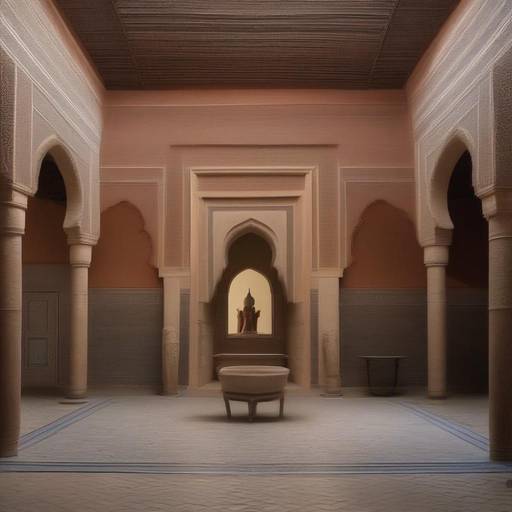
The baroque architecture is characterized by its extravagance and lush ornamentation, elements that are perfectly reflected in Schönbrunn. Its audience rooms, royal rooms, and the beautiful Mirror Room, are impressive examples of baroque opulence, with intricate details and a profusion of decorative elements.
Influence in Modern Architecture
The legacy of Schönbrunn goes beyond its historic splendor; the influence of the palace extends to modern architecture. From its balanced symmetry to its approach to integration with nature, Schönbrunn continues to inspire contemporary architects and designers around the world.
Conclusions
The palace of Schönbrunn is an astonishing manifestation of the splendour and grandeur of the Vienese Baroque. Its rich history and impact on architecture make it a cultural monument of incalculable importance. Schönbrunn is still a must for those who wish to immerse themselves in the opulence and beauty of the Vienese Baroque.