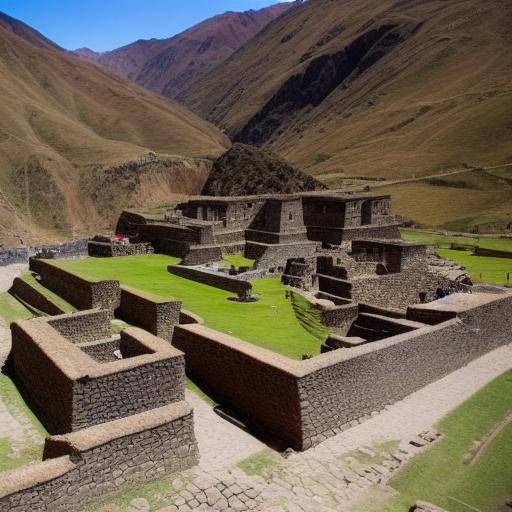
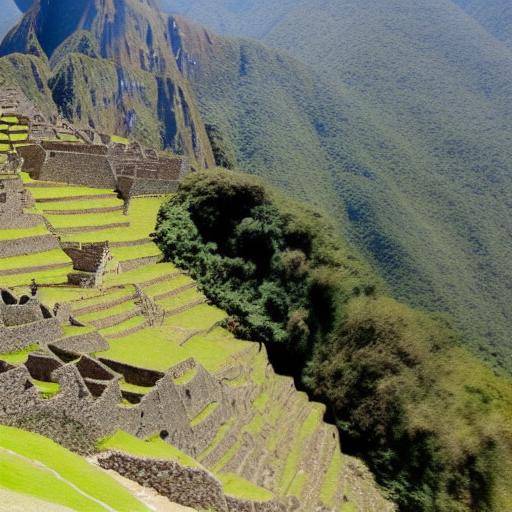
The Camino Inca It is a living testimony of the fascinating history of Peru, and the Andean communities on their way are guardians of millennial traditions. This article aims to get into the cultural roots of these communities, explore their daily lives, and understand the importance of the Inca Way in the context of Peruvian culture. Throughout these pages, we will know in depth the historical wealth, the deeply rooted traditions and the daily lives of these Andean communities, as well as their connection to the cultural heritage of Peru.
Introduction
The Inca Trail, with its ancient vestiges and stunning landscapes, is one of the most emblematic tourist destinations in Peru. However, beyond its tourist attraction, this millennial road houses Andean communities whose preservation of ancestral traditions and lifestyles are intertwined with Peruvian history and culture. In this article, we will explore in detail the rich history, vibrant culture and everyday life of these communities, providing an integral vision of their role in the legacy of the Inca Way and its impact on the Peruvian identity.
History and Background
The Inca Way, built by the ancient Incas, was a network of roads connecting its vast empire, including the Andean communities along its route. This section will enter the origins of the Inca Way, its historical importance and its evolution over the centuries. We will explore the relevant dates, key figures and significant milestones, as well as anecdotes and case studies that illustrate their importance in the life of inca civilization.
In depth: With these established historical foundations, we will analyze the current benefits, challenges and trends surrounding the Inca Way and the Andean communities. Statistics, case studies and real examples will provide a clear and detailed view of their impact in the region, highlighting the divergent perspectives and views that echo in history and the present.
Comprehensive review
This section will explore the applications of the Inca Way and the Andean communities through case studies and best practices, including expert opinions and future perspectives. Different approaches and methods will be compared, providing a thorough analysis of pros and cons, while exploring similarities and differences with other regions.
Comparative analysis
The Inca Way, the Andean culture and the Peruvian identity are intrinsically linked. By comparing and contrasting these elements, we will examine the similarities, differences and possible synergies that converge in this unique region. The wealth of examples and scenarios will illustrate the complexity of this cultural interconnection.
Practical Tips and Accessible Recommendations
Provide practical advice and concrete actions that allow readers to immerse themselves in the experience of the Inca Way and the Andean communities. The use of numbered lists and vineyards will highlight the clarity and justification behind each recommendation.
Industry Perspectives and Expert Reviews
We will gather ideas from industry experts to explore future implications, including interviews and appointments that reflect the latest trends and forecasts.
Case Studies and Real Life Applications
We will detail case studies that illustrate the practical applications of the Camino Inca, as well as their results and lessons learned, offering examples of different industries or contexts.
Future Trends and Predictions
We will analyze emerging trends related to the Inca Way, the Andean culture and Peru, offering future predictions based on current data and expert opinions, while exploring potential challenges and opportunities.
Conclusions and FAQs
Conclusions
In this section, we will summarize the key points of the article, reinforcing the value of the information provided and offering a solid closure that encourages further reading or action.
Frequently asked questions
1. What is the importance of the Inca Way in Peruvian culture?
The importance of the Camino Inca lies in its role as the historical and cultural heritage of Peru. In addition to being a tourist attraction, it represents the legacy of Incaic civilization and its influence on Peruvian identity.
2. How do Andean communities participate in the preservation of the Inca Way?
The Andean communities actively participate in the preservation of the Inca Way through the protection of archaeological sites, the promotion of local crafts and the preservation of cultural traditions.
3. What Andean traditions remain alive along the Inca Way?
The Andean communities retain traditions such as music, folkloric dances, artisanal fabrics, traditional medicine and festivals, which reflect their cultural heritage.
4. How does Andean culture influence Peruvian identity?
Andean culture is an integral part of Peruvian identity, influencing cuisine, music, art and popular beliefs, which contributes to the country's cultural diversity.
5. What are the current challenges for Andean communities along the Inca Way?
Current challenges include the preservation of cultural heritage, sustainable development, access to basic services and tourism management to ensure a balance with traditional life.
6. What is the role of the Andean communities in the sustainable tourism of the Camino Inca?
The Andean communities play a key role in sustainable tourism through the promotion of environmentally responsible practices, local economic empowerment and cultural integration in tourism offerings.
With these FAQs, a deeper and clearer understanding of the Inca Way, the Andean culture and its relationship with the Peruvian identity is provided.
This article has provided a profound and enriching vision of the Inca Way, the Andean communities and its impact on the rich cultural heritage of Peru. From their ancestral history to their applications today, these communities have kept alive the traditions that have enriched life in this region. The understanding of their role in the cultural heritage of Peru is essential to fully appreciate the importance of these Andean communities along the Inca Way.