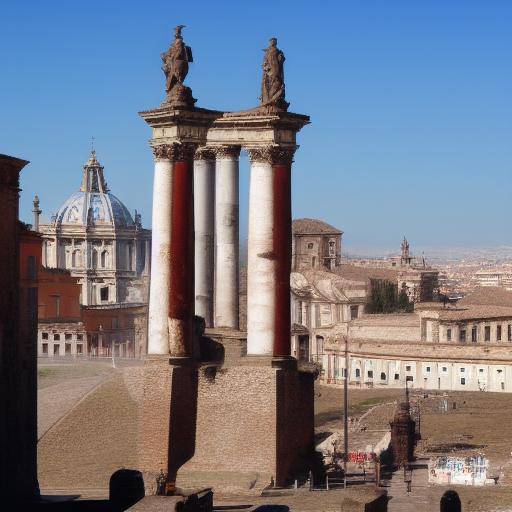
In the vast history of humanity, there are wonders whose greatness continues to impact those who contemplate them. From the majestic pyramids of Egypt to the imposing Roman Colosseum, each of these ancient structures encloses a fascinating history that transports us to distant times. In this article, we will explore in detail the ancient wonders of the world, immerse ourselves in the history and archaeology that surrounds them. Join us on this journey through time and discover the extraordinary greatness that our ancestors have given to humanity.
Introduction
The ancient wonders of the world represent an invaluable legacy of the civilizations that preceded us. This article will take you to explore its history, its cultural significance and its relevance in modern archaeology. We invite you to immerse yourself in the greatness of these monuments and unravel the mysteries that have endured over the centuries.
History and Background
The study of the ancient wonders of the world leads us to a journey through the history of humanity. From the pyramids of Egypt to the Colossus of Rhodes, every wonder has its own historical roots and intriguing history. Exploring these wonders involves submerged in the ancient civilizations that built them, understanding their beliefs, technologies and architectural achievements. In this section, we will enter the origins of these impressive creations, investigating the historical contexts and the motivations that led to their construction.
Detailed Analysis
The detailed analysis of the ancient wonders of the world allows us to appreciate its importance from multiple perspectives. From architecture to culture, these wonders have left a lasting legacy that transcends time. Understanding the magnitude of these structures, their constructive challenges and their meaning for the civilizations that led them gives us a holistic view of their impact on history and archaeology.
Comprehensive review
Exploring applications and best practices in studying the ancient wonders of the world brings us to understand their relevance in modern archaeology. Analyzing the methods of excavation, restoration and preservation offers an integral vision of archaeological work around these structures. In addition, we will examine the implications of these wonders in the understanding of ancient cultures and the preservation of historical heritage.
Comparative analysis
Compare and contrast the ancient wonders of the world allow us to appreciate their differences and similarities from an enriching perspective. By observing these structures together, we can identify patterns, architectural styles and cultural elements that reflect the diversity and wealth of the historical legacy. This comparative analysis reveals the connections between the different wonders and enriches our understanding of their importance in history and archaeology.
Practical Tips and Accessible Recommendations
By exploring the ancient wonders of the world, it is crucial to understand how we can contribute to its preservation and diffusion. In this section, we will present practical advice and actionable recommendations for those interested in supporting the conservation and study of these impressive creations. From voluntary initiatives to the promotion of cultural awareness, there are various ways in which we can actively participate in the protection of our historical heritage.
Conclusions and FAQs
In short, the ancient wonders of the world invite us to a journey of discovery and fascination. Its impact endures over the centuries, enriching our lives with its greatness and mystery. As we explore its history, archaeology and meaning, we immerse ourselves in a legacy that transcends the barriers of time and connects us with the civilizations that forged our world.
Frequently asked questions
1. What are the seven wonders of the ancient world?
The seven wonders of the ancient world are: the Great Pyramid of Guiza, the Hanging Gardens of Babylon, the Statue of Zeus in Olympia, the Temple of Artemis in Ephesus, the Mausoleum of Halicarnaso, the Colossus of Rhodes and the Lighthouse of Alexandria.
2. Why are these structures considered as wonders?
These structures are considered marvels due to their impressive architecture, cultural meaning and lasting impact on the history of humanity. Its construction challenged the limits of engineering and reflects the ingenuity and creativity of ancient civilizations.
3. What is the importance of studying the ancient wonders of the world today?
Studying the ancient wonders of the world allows us to understand the evolution of architecture, engineering and culture over time. Moreover, their study contributes to the preservation of historical heritage and to the understanding of the civilizations that created them.
4. What are the current challenges in preserving these wonders?
Current challenges in preserving these wonders include exposure to natural disasters, the impact of mass tourism, environmental pollution and the conservation of ancient materials. A coordinated global effort is required to protect and conserve these structures.
5. How can I contribute to the preservation of the ancient wonders of the world?
You can contribute to the preservation of these wonders by promoting cultural awareness, participating in programs of archaeological volunteerism, supporting organizations dedicated to the conservation of historical heritage and respect for the norms of preservation when visiting these sites.
6. What is the most impressive ancient wonder from the archaeological point of view?
The Great Pyramid of Guiza is considered one of the most impressive structures from the archaeological point of view due to its scale, architectural complexity and cultural significance in ancient Egypt.
In conclusion, the ancient wonders of the world represent invaluable treasures that connect us with the deep roots of history and archaeology. In exploring its greatness and meaning, we honor the legacy of past civilizations and treasure the cultural richness that have legated mankind.
With this journey through time, we trust to have awakened your curiosity and passion for the extraordinary heritage that endures in the ancient wonders of the world.