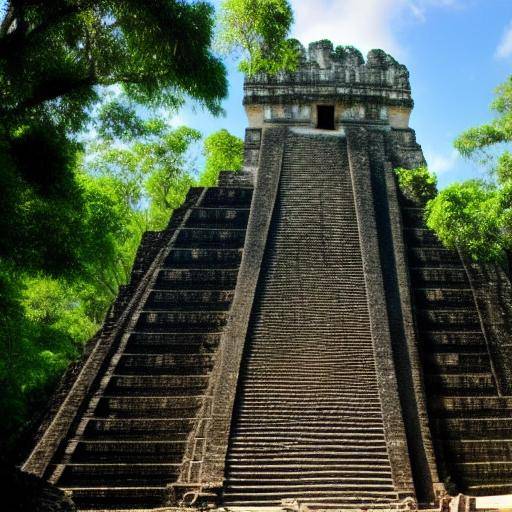
The ancient Mayan city of Tikal, located in what is now Guatemala, is a cultural and archaeological treasure that allows us to enter the fascinating life of this ancient civilization. In this article, we will explore the customs, traditions and lifestyle of the inhabitants of Tikal, offering a detailed view of one of the most striking civilizations of Mesoamerica.
Introduction
The city of Tikal, with its impressive landscape of imposing temples and lush jungle, shines as a lasting testimony of the splendor and grandeur of Mayan culture. In this article, we will immerse ourselves in the daily lives of the ancient inhabitants of Tikal, exploring their customs, traditions, and the rich cultural heritage that have legated mankind.
History and background
The history of Tikal dates back to more than 3,000 years, when the city was a vital and prosperous center of Mayan civilization. Located in the heart of the Petén region in Guatemala, Tikal was a regional power that played a crucial role in the development and dissemination of Mayan culture. Since its beginnings as a modest settlement to its peak as one of the most important cities in Mesoamerica, Tikal has witnessed political intrigues, technical advances and a rich artistic expression.
During his apogee at the Late Classic, Tikal hosted a diverse and vibrant population whose daily life was rooted in religious traditions, sophisticated agricultural practices, and complex government systems. The architectural splendour of its monuments, together with devotion to its deities and an intricate network of trade, paint a fascinating portrait of life in this prosperous Mayan city.
In-depth analysis
By exploring the daily life in Tikal, we will penetrate the religious rituals, funeral practices, art, architecture, and the deep bond with nature that characterized its existence. We will examine how every aspect of life in Tikal was imbued with cultural and spiritual meaning, and how these traditions have left a lasting mark on Guatemala's art, architecture and modern beliefs.
Detailed review
We will explore the customs and traditions of everyday life in Tikal, providing a revealing vision of social structure, trading systems and family life in this ancient Mayan metropolis. We will analyze how the intricate network of social hierarchies, the division of labour, and religious festivals played a vital role in the cohesion of Tikal society.
Comparative analysis
By comparing Tikal's customs and traditions with other civilizations both in Mesoamerica and the rest of the world, we can appreciate its uniqueness and contribution to the cultural heritage of humanity. We will explore similarities and differences with other contemporary cultures, highlighting how the ancient life in Tikal traces parallel to human existence in other parts of the world.
Practical advice and recommendations
Finally, we will offer practical advice for those interested in exploring the ancient life in Tikal, from travel suggestions to recommendations to fully appreciate the cultural and archaeological legacy that this charming city offers to modern visitors.
Conclusions and FAQs
As a testament to a glorious past, the customs and traditions of ancient Tikal continue to fascinate the curious and scholars alike. This brief glance provides a vivid and revealing look of everyday life in one of the most influential civilizations in history.
FAQs
1. What were the main daily activities of the inhabitants of Tikal?
The main daily activities of the inhabitants of Tikal included agriculture, trade and religious ceremonies. Agriculture, in particular, played a crucial role in the lives of the population, as its livelihood depended largely on the production of corn, beans, pumpkins, among other crops.
2. What was the importance of religious ceremonies in Tikal?
Religious ceremonies were of paramount importance in the lives of the inhabitants of Tikal. These ceremonies were dedicated to honoring deities, thanking for the crops and seeking protection for the community. Religion influenced every aspect of life in Tikal and its rituals were intrinsically linked to daily activities.
3. What kind of art and architecture stood out in Tikal?
The art and architecture in Tikal stood out for its monumentality and elaboration. The temples, pyramids, stales and altars reflected the artistic skill and spiritual expansion of Mayan civilization. Ceramic art, jewellery and sculpture that represented deities, animals and daily life were also appreciated.
4. What was Tikal's legacy for Guatemala's modern culture?
Tikal's legacy for Guatemala's modern culture is profound. The traditions, art and beliefs of ancient Tikal have significantly influenced the cultural identity of the nation. Even today, Tikal's customs and rituals are manifested in festivals, celebrations and artistic expressions of the Guatemalan people, demonstrating the perdurability of its cultural legacy.
5. What role did trade play in the lives of the inhabitants of Tikal?
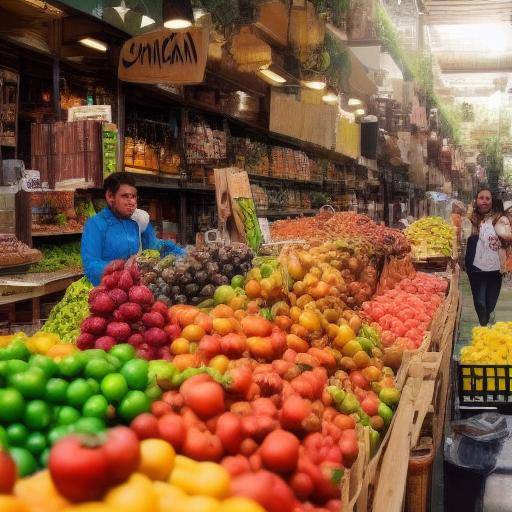
Trade was fundamental in the lives of the inhabitants of Tikal, as it allowed them to obtain products and materials that were not available locally. Tikal maintained a commercial exchange network with other Mayan cities and surrounding regions, which enriched his daily life and strengthened his ties with distant communities.
6. How was the social structure in Tikal and what differences existed with other civilizations?
The social structure in Tikal was organized around a hierarchy that included rulers, priests, artisans, farmers and other members of society. Although social structures varied among civilizations, this organization allowed for specialization in labour, cultural exchange and stability in Mayan society.
Conclusion
Life in ancient Tikal is revealed as a fascinating chapter in the history of humanity, providing a vivid vision of the cultural and spiritual richness of a civilization that continues to inspire and astonish present and future generations. Our exploration of the customs, traditions and lifestyle in Tikal invites us to reflect on the richness of Guatemala's cultural heritage, and encourages us to preserve and honor the valuable heritage that these former inhabitants have given us.