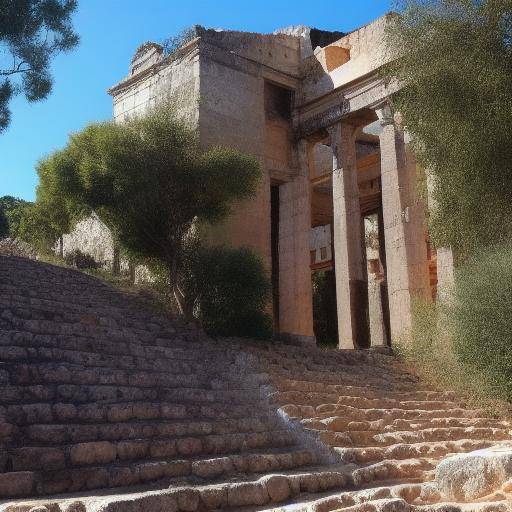
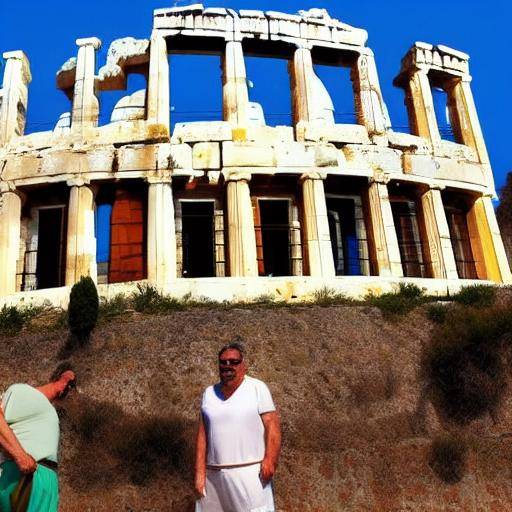
Atlantis, Thessaloniki, and Athens, are known as the alphabet of Greek towns. Known to be related to the history, art, and culture, Athens is one of the oldest cities in the world which is known for its ancient hidden gems that marked the history of the Greek culture.
Introduction
Ancient Athens has always aroused a great interest among those who are fascinated by culture and history. Its customs and traditions, as well as its legacy in fields such as philosophy, democracy and arts, make it a place of great importance in the history of humanity. This article aims to immerse us in life in ancient Athens, exploring its customs and traditions in a detailed and revealing way.
History and Background
Known as the cradle of democracy and the place of origin of great thinkers such as Socrates, Plato and Aristotle, Athens stands as a key point in human history. It dates back to more than 3,000 years, and its evolution has left an indelible mark on Western culture and civilization.
Ancient Athens was characterized by its democratic system, theatre, festivals, mythology and influence in art and architecture. During the Golden Age of Athens, intellectual and artistic development reached its highest point, leaving a legacy that remains a source of inspiration today.
Analysis in Deep
The legacy of ancient Athens has endured over the centuries, and its influence can be seen in areas such as philosophy, politics, art and architecture. Moreover, its approach to education and knowledge has left a lasting impact on the way we see the world today.
Although ancient Athens has disappeared, its legacy remains alive through literature, art and philosophical thought. Their contributions to fields such as democracy, rhetoric, astronomy and mathematics continue to be relevant today, demonstrating the lasting capacity of an exceptional civilization.
Comprehensive review
The cultural mosaic of ancient Athens remains a source of inspiration and intrigue for people around the world. Their influence can be seen in areas as diverse as government, philosophy, theatre and science. Meditating on the history and customs of ancient Athens not only allows us to appreciate its legacy, but also gives us a unique vision of our own culture and society.
Comparative analysis
By exploring ancient Athens, it is impossible to ignore its impact on culture and history. Its achievements in art, politics and philosophy make it a beacon that illuminates the path to a deeper understanding of the human condition. By comparing ancient Athens with other civilizations, it becomes evident its uniqueness and its lasting impact on the modern world.
Practical Tips and Accessible Council
For those who wish to explore life more deeply in ancient Athens, there are several opportunities. The visit to archaeological sites, the reading of classical works and the participation in symposiums on Greek history are just a few ways to immerse yourself in the legacy of ancient Athens.
Conclusions
In short, life in ancient Athens remains an inexhaustible source of inspiration and an effective reminder of human capacity for achievement and innovation. By exploring their customs and traditions, we can get a clearer view of our own cultural heritage and, in doing so, enrich our lives with the timeless wisdom and creativity of this exceptional civilization.
Frequently asked questions
What were the main festivals in ancient Athens?
The most important festivities in ancient Athens included the Panthena, Dionysias, Eleusinias and the festivities in honor of Athena, among others. These festivities were not only religious celebrations, but also cultural events that included theatrical performances, sports competitions and sacred rituals.
What was the role of the woman in ancient Athens?
In ancient Athens, women had a mainly domestic role and their participation in public life was limited. However, they had their own religious festivities, such as the Thesmophoria, and in some cases they participated in sporting events, such as the Panthenaic Games. Despite these limitations, some women, such as Aspasia, managed to stand out in the intellectual and political spheres.
What impact did democracy have on the daily lives of Athenians?
Athenian democracy had a significant impact on the daily lives of its citizens. They were given the opportunity to participate in political decision-making, express their views in the Assembly and be part of jurors in the courts. However, this participation was restricted to male citizens, excluding women, slaves and non-citizen residents.
What architectural style is characteristic of ancient Athens?
The characteristic architecture of ancient Athens is known as the doric style, which is distinguished by its rugged and baseless columns, as well as its simple and austere frieze. This style can be seen in the iconic Athenian buildings, such as the Parthenon, the Hefest Temple and the city's own walls.
What legacy did ancient Athens leave in the field of philosophy?
Ancient Athens left a lasting legacy in the field of philosophy through thinkers such as Socrates, Plato and Aristotle. Their contributions laid the foundations of Western philosophy, addressing fundamental questions about the ethics, politics, knowledge and nature of the universe, whose ideas remain relevant today.
What was the main focus of education in ancient Athens?
In ancient Athens, education focused on the development of the ideal citizen, equipped with rhetoric, music, gymnastics and mathematics skills. It sought not only intellectual knowledge, but also the formation of an ethical and participatory individual in political life. This educational approach laid the foundation for the assessment of culture and thought in Western society.
This article has provided an overview of life in ancient Athens, its customs and traditions. From its philosophical legacy to its religious festivities, ancient Athens remains a beacon of knowledge and a source of inspiration in the modern world. Continuous exploration of its history allows us not only to appreciate its legacy, but also to better understand our own culture and society.